
Sea Anemones

Let's Learn About Sea Anemones
Word of the Week
Sessile
xxx
Fast Facts
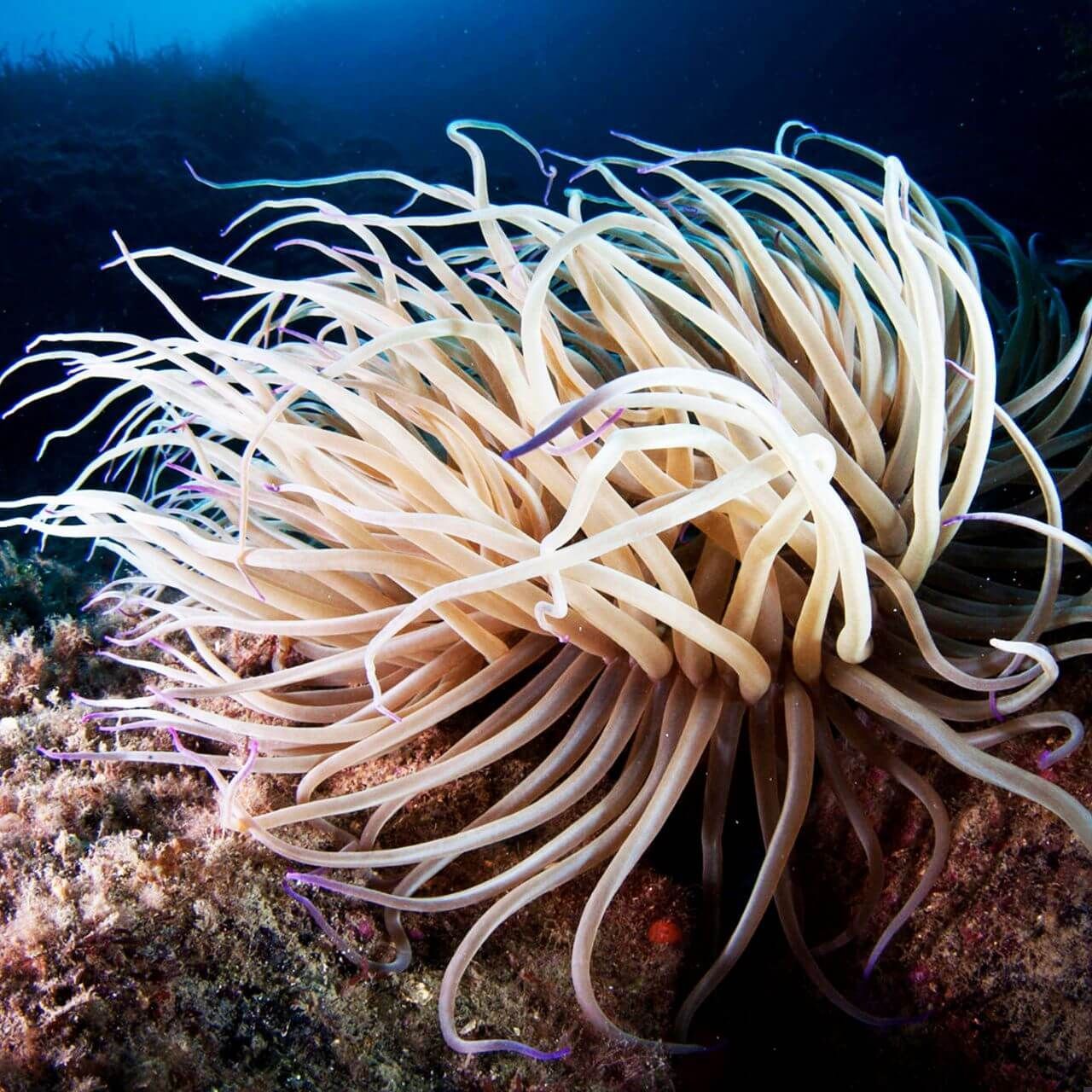
Where do sea anemones live?
xxx
What do sea anemones eat?
xxx
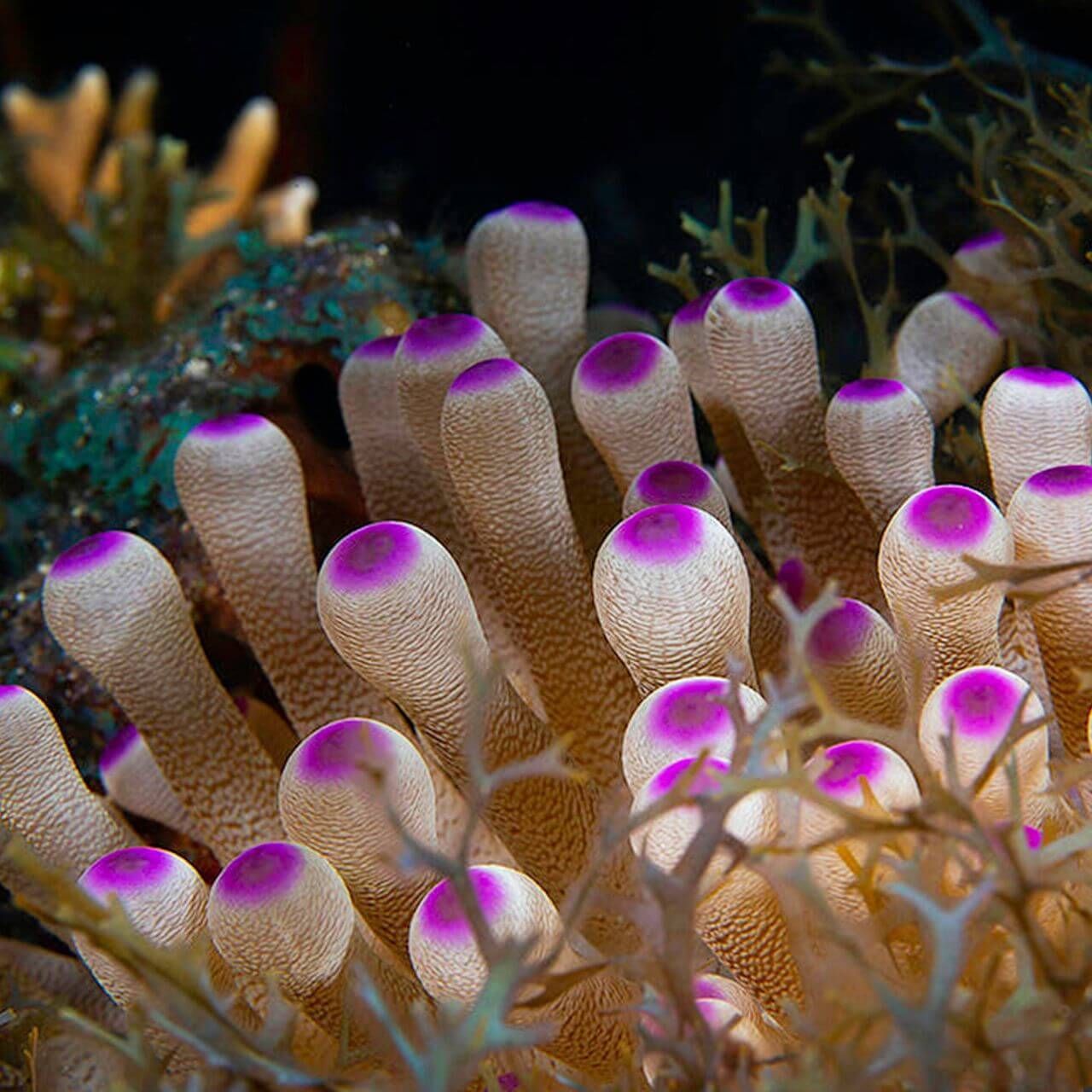
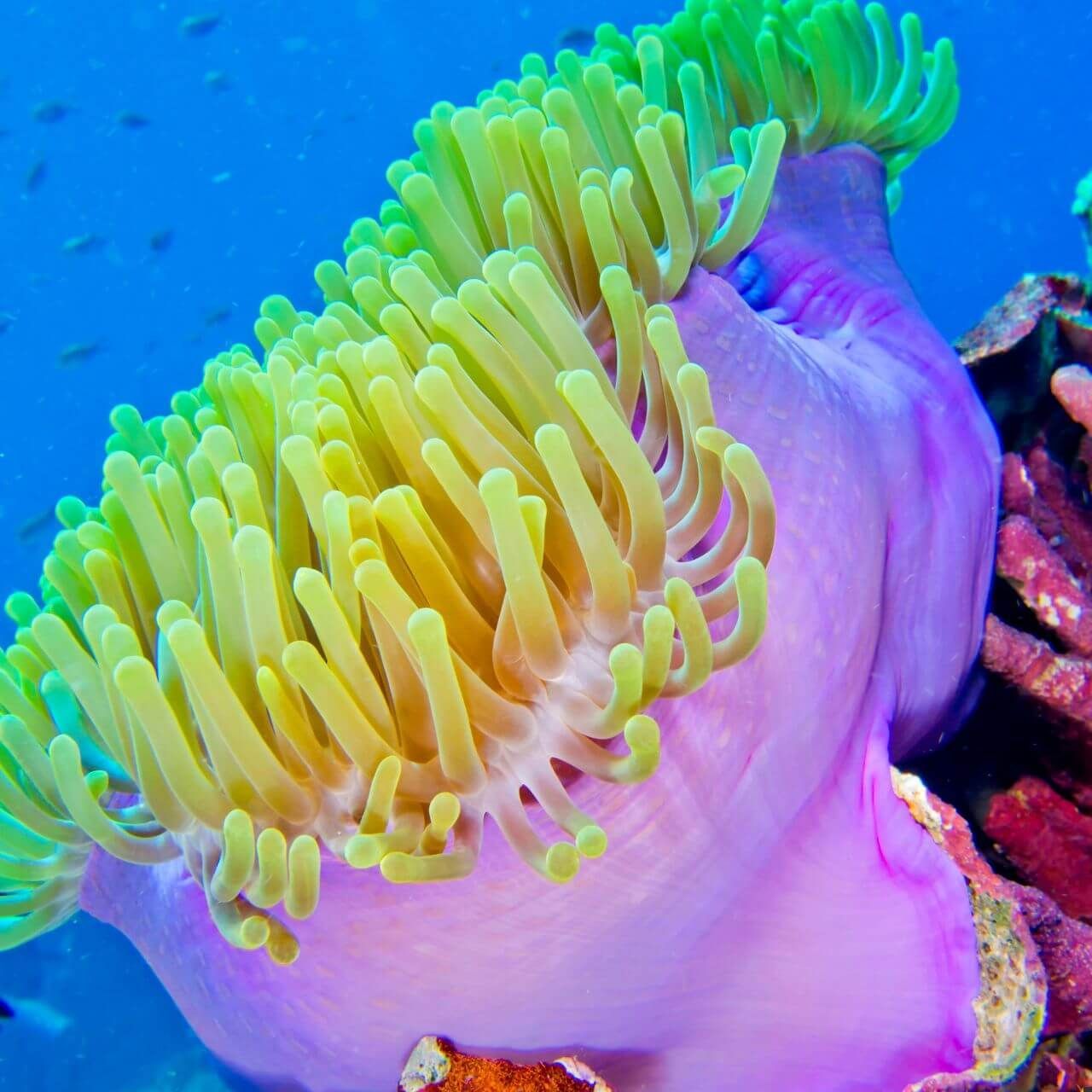
What do sea anemones have in common?
- xxx
How many sea anemones are there?
xxx
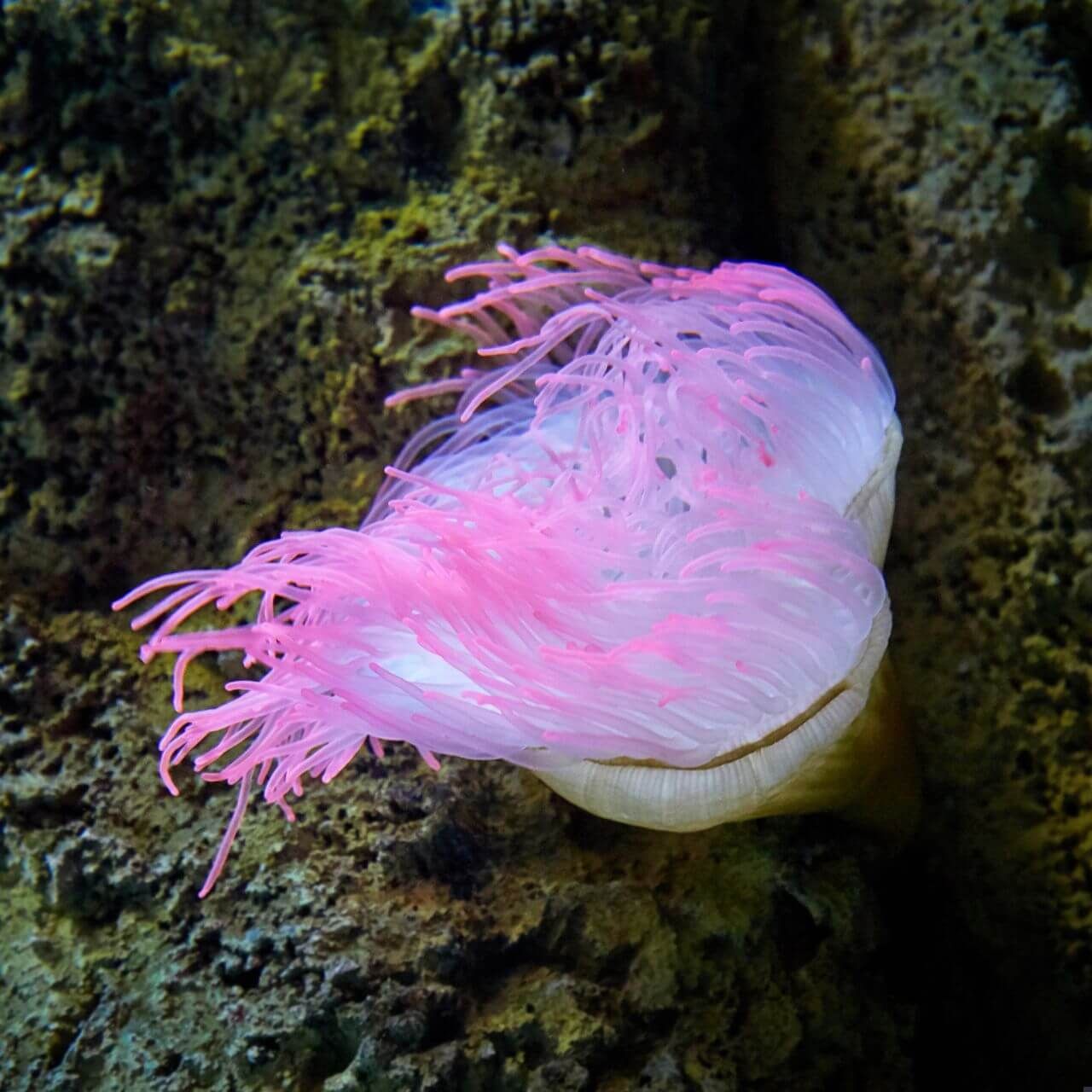
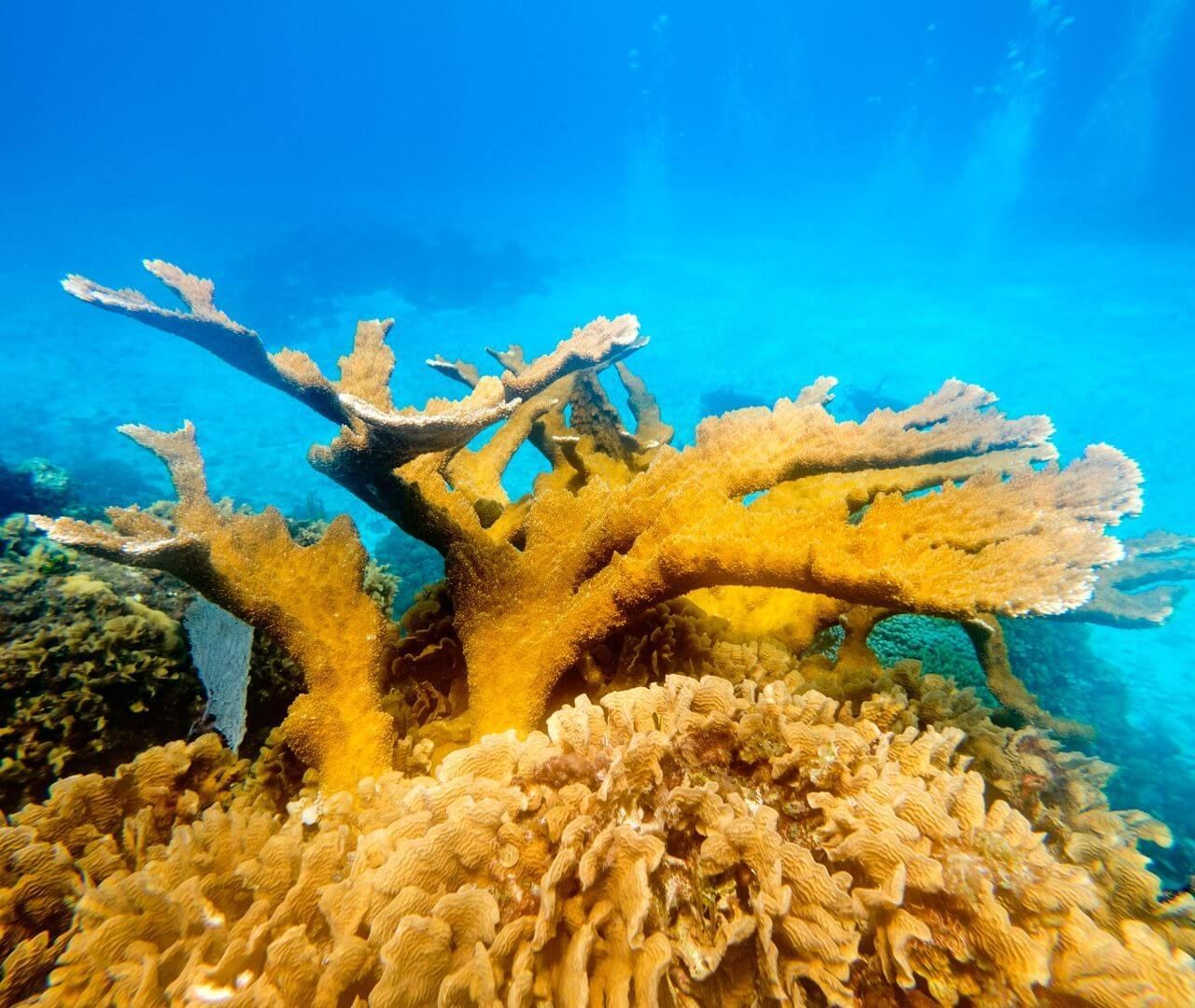
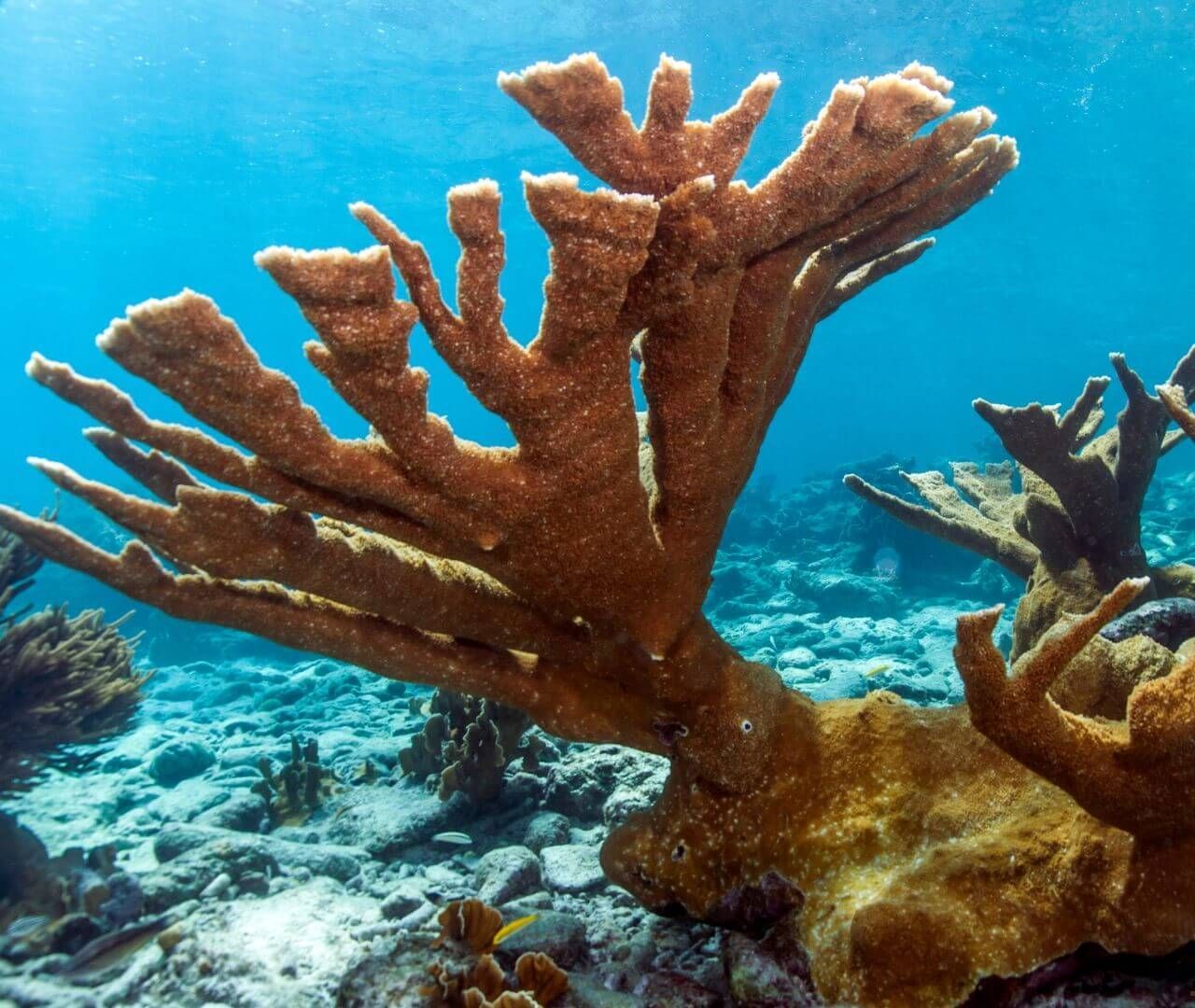
Conservation Corner
xxx
xxx
Sea Aneomone Challenge
xxx
xxx
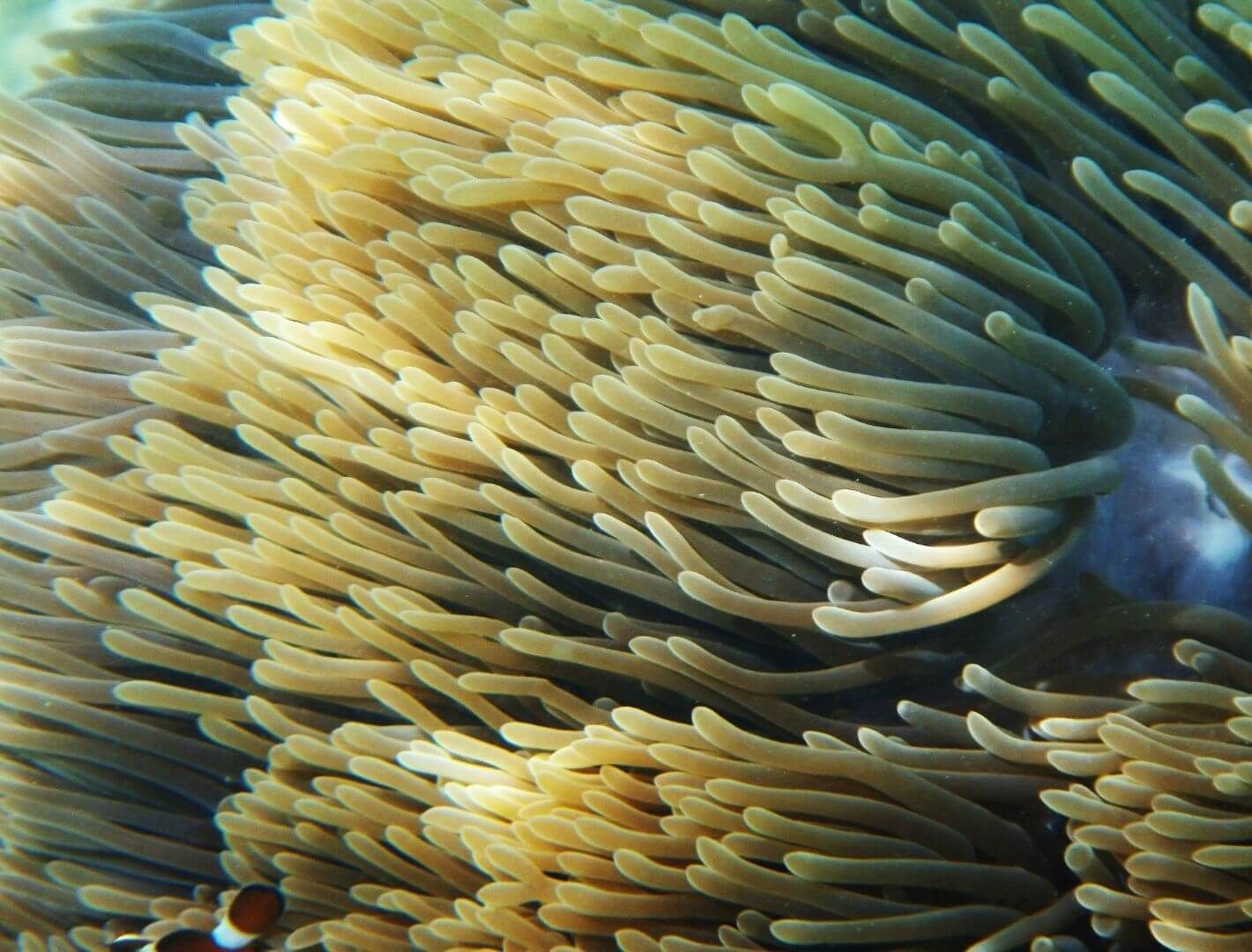
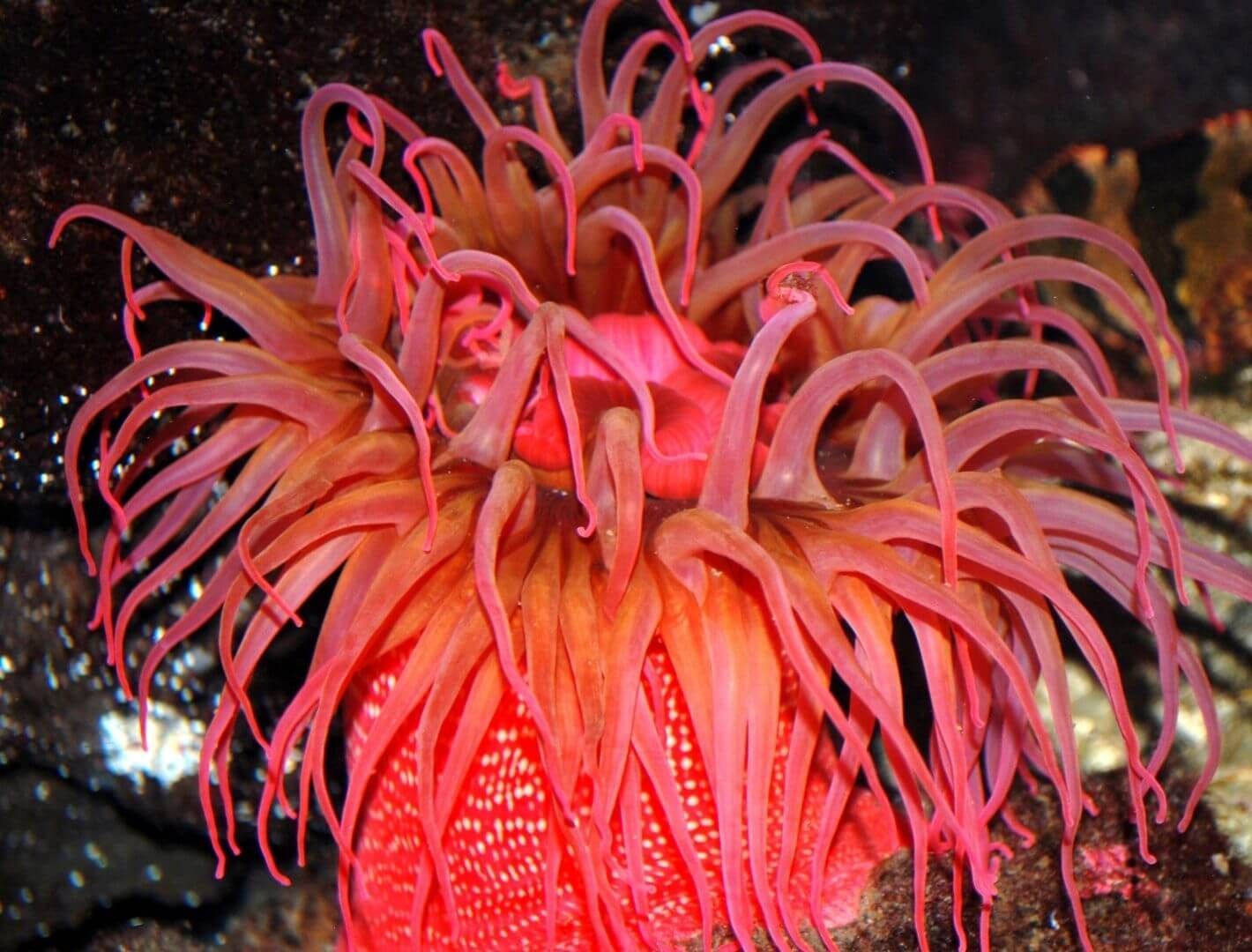
Learn More!
Glossary
Abiotic
A part of an ecosystem that is nonliving.
Biodiversity
Describing the variety of living organisms in one place.
Biotic
A living organism.
Calcium Carbonate
Hard, chalky substance that makes up the hard outer structure of corals, snails, oysters, and other ocean invertebrates.
Climate Change
A change in global weather patterns as a result of greenhouse gases in the atmosphere.
Cnidarian
Group of invertebrates including corals, jellyfish, and sea anemones.
Coral
Animals related to jellyfish and sea anemones comprised of tiny polyps working together to support the colony.
Coral Bleaching
The process of corals turning white as they die.
Coral Reef
Diverse ecosystem made of individual corals growing close to each other.
Ecosystem
An area of the planet filled with living and nonliving things that interact.
Habitat
An area where a plant or animal lives.
Invertebrate
An animal that has no bones.
Nematocyst
The venomous, harpoon-like organelle in cnidocytes (stinging cells) of jellyfish and their relatives.
Ocean
A very large saltwater ecosystem that covers more than 70% of the planet.
Photosynthesis
The process used by plants and algae to change energy from the sun into sugar (energy) for the organism.
Polyp
Small animal with stinging tentacles found in corals and other cnidarians.
Shelter
A space where animals go for protection.
Tropical
Describing the warm, rainy region near the equator.
Zooxanthellae
Microscopic algae found in some Cnidarians (corals, jellyfish, etc.). They provide the animal with energy through photosynthesis.