
Ladybugs

Let's Learn About Ladybugs
Word of the Week
Elytron (plural: elytra)
The elytron is the hard, protective front wing of a ladybug.
Elytra act like a shell that protect the delicate back wings, which are used for flight. The elytra are not used when flying.
Fast Facts
Where do ladybugs live?
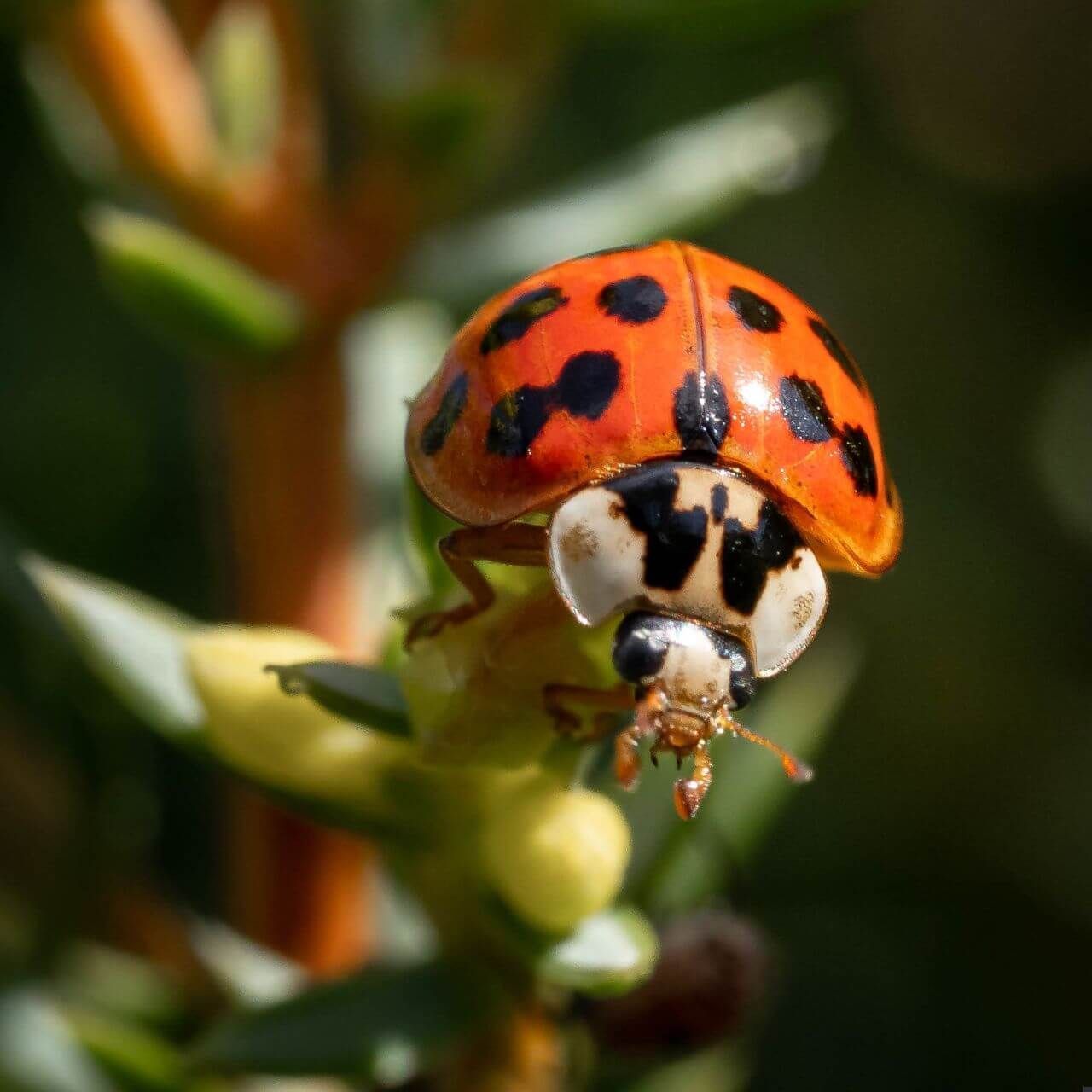
Ladybugs are found on every continent except Antarctica.
They live in a wide variety of habitats. Ladybugs live in forests, grasslands, deserts, and even on tall mountains.
What do ladybugs eat?
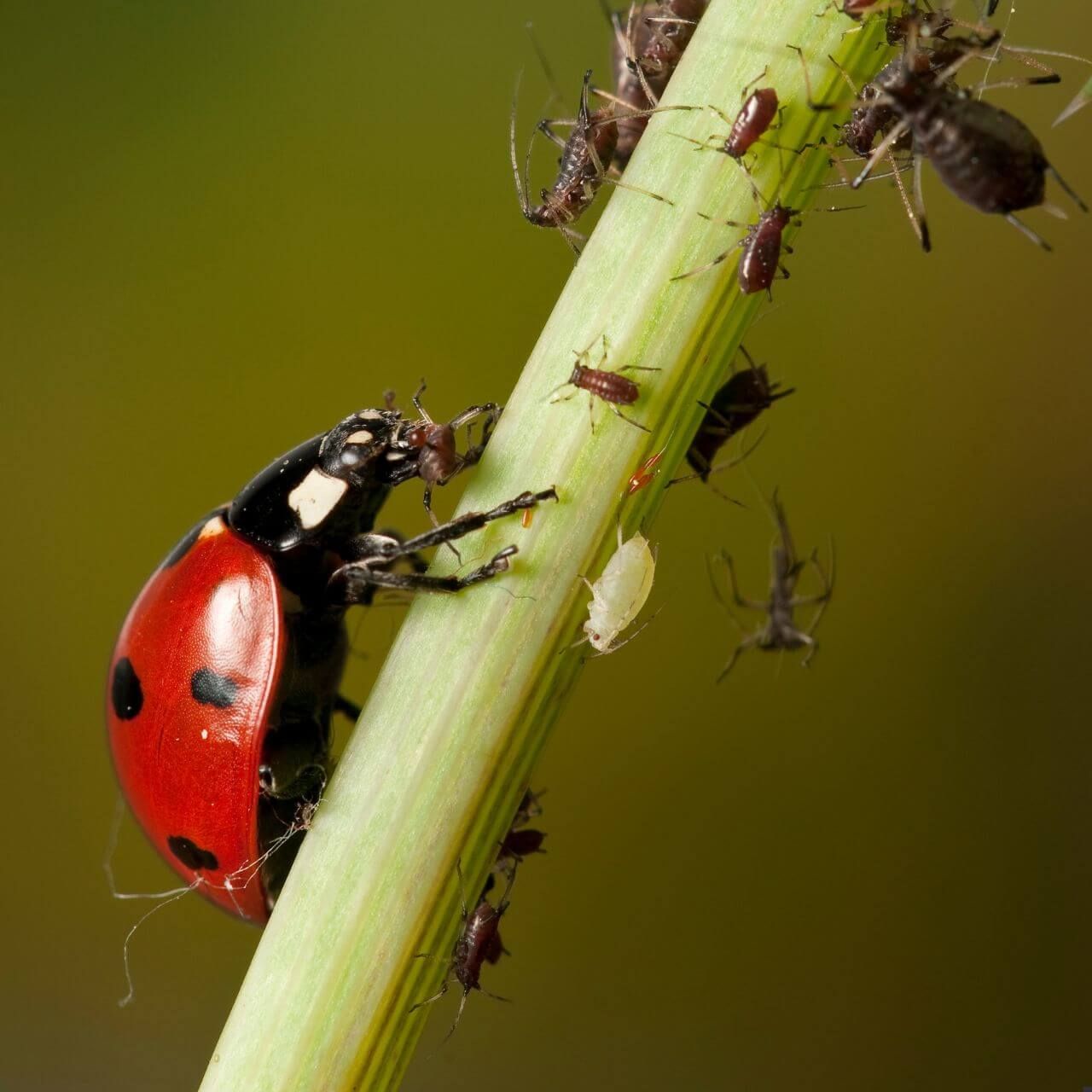
Ladybugs are carnivores. They are meat eaters.
They are small but fierce predators. They eat tiny insects, like aphids, scale insects, and mites. Some species are specialists, meaning they only eat a specific type of food.
What traits do ladybugs share?
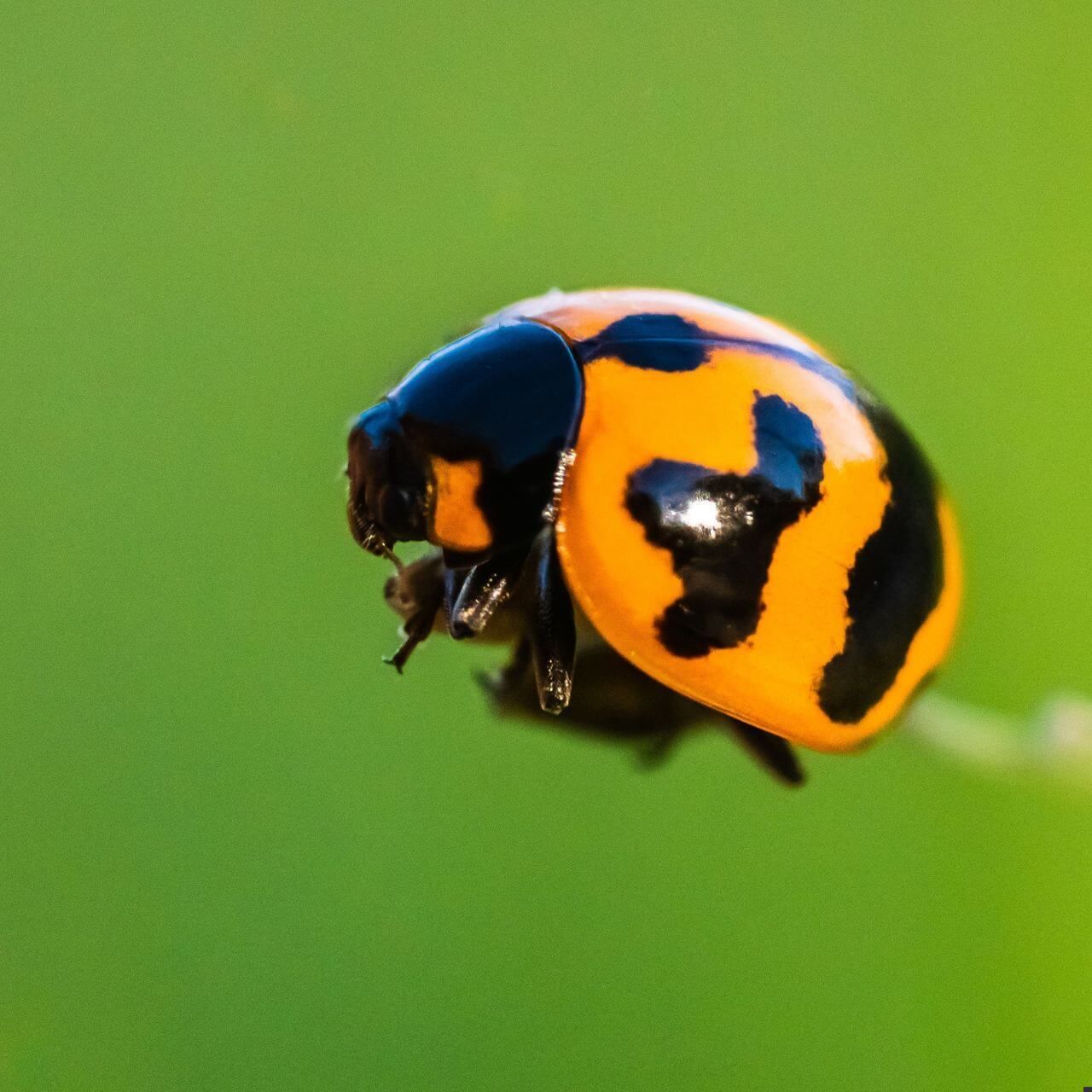
Ladybug species have many traits in common, including...
- A dome-shaped body.
- Antennae used for smelling and feeling.
- Compound eyes.
- Toxic bodies and warning colors.
How many ladybugs are there?
There are more than 6,000 species of ladybugs.
Most ladybugs are not threatened with extinction. People typically like having ladybugs around because they eat harmful garden pests, like aphids. Some species are threatened by invasive species and chemicals, like pesticides.
Species Spotlight
Ladybug Colors
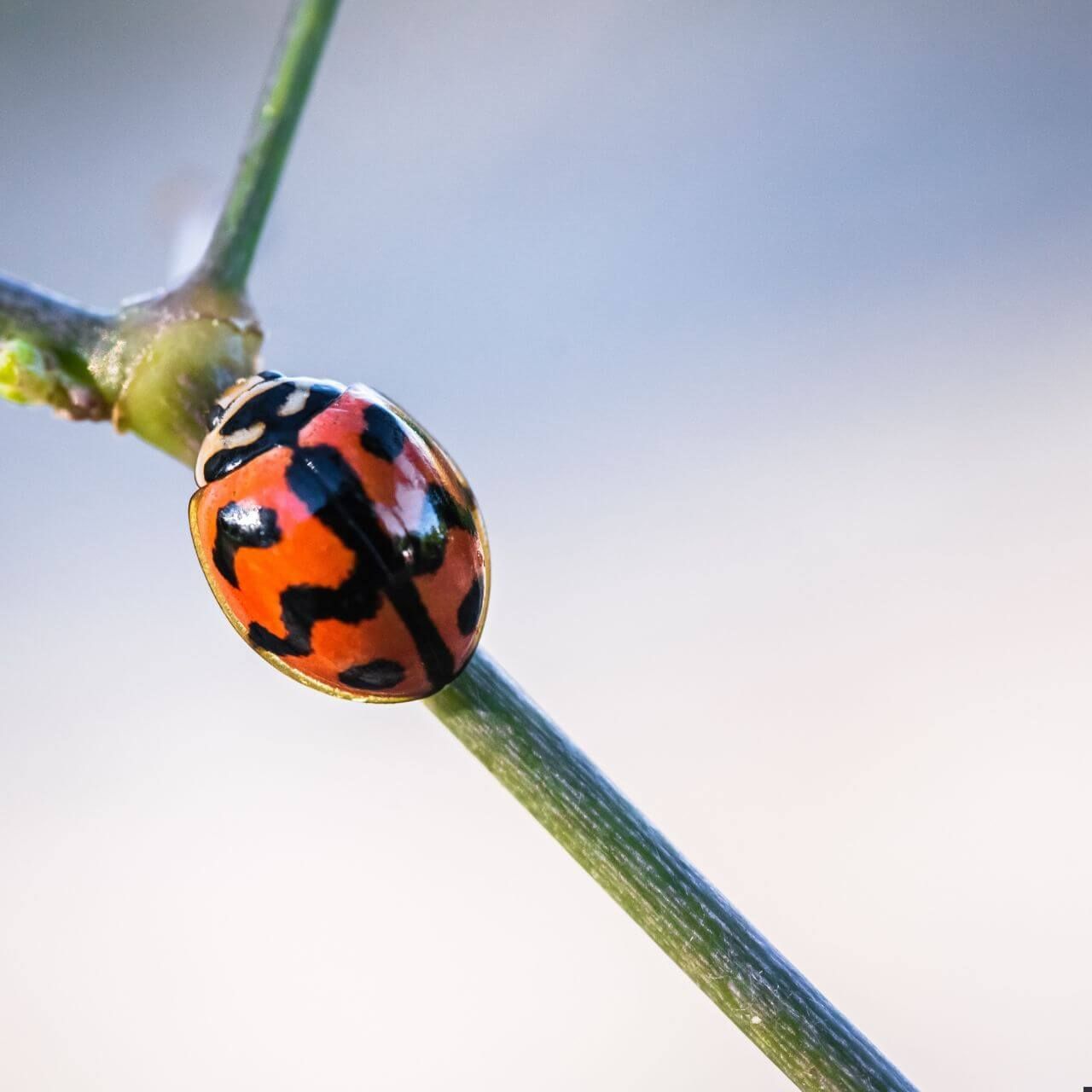
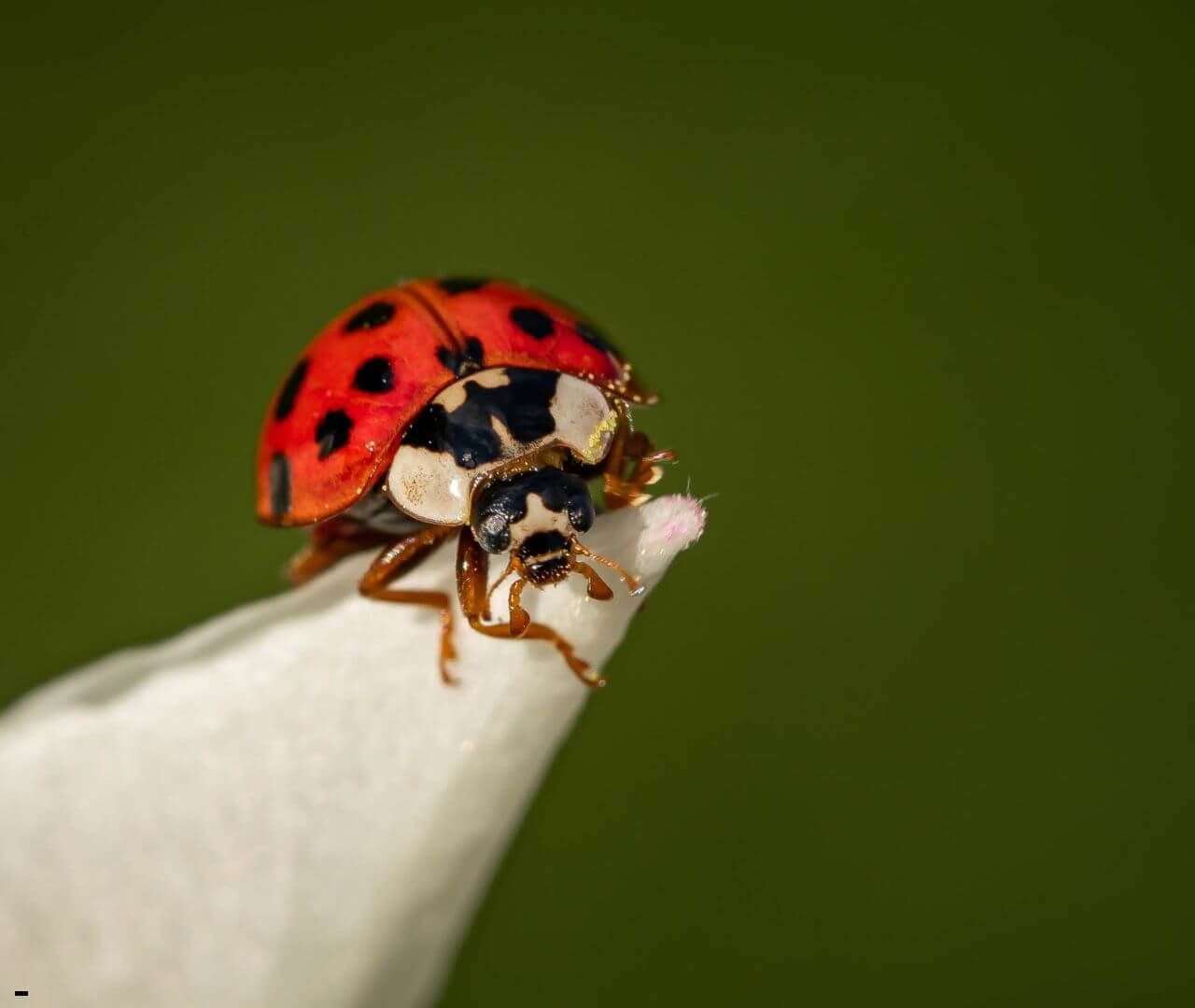
There are more than 6,000 species of ladybugs. Most species are carnivores, lay eggs, and go through metamorphosis. One difference between them is their colors and patterns. Most people picture ladybugs with a red shell and black spots. However, some appear very different. Let’s look at some examples.
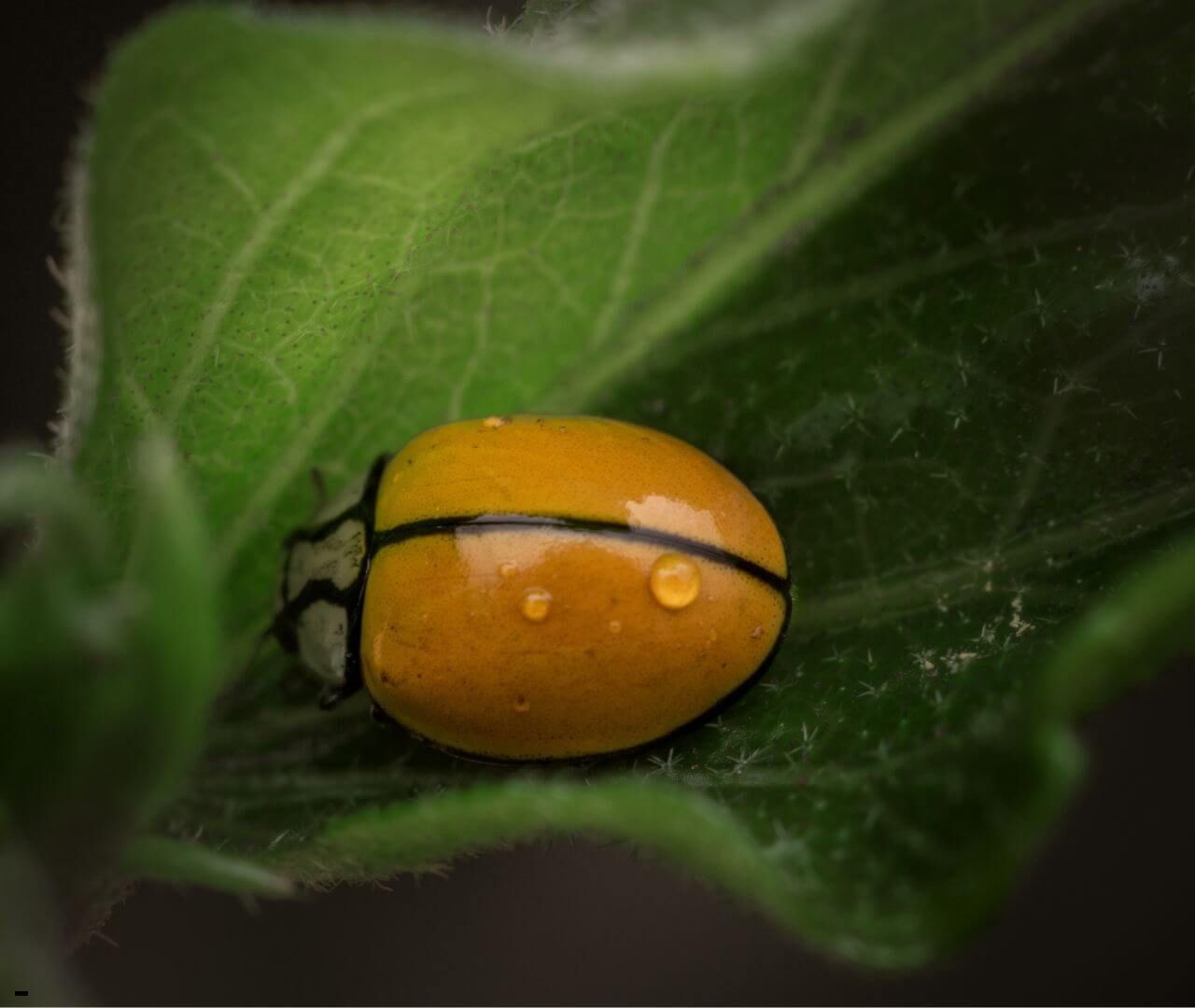
The orange ladybird is mostly orange. It has white spots instead of black spots. This species is found in woodlands and forests in Europe and Asia.
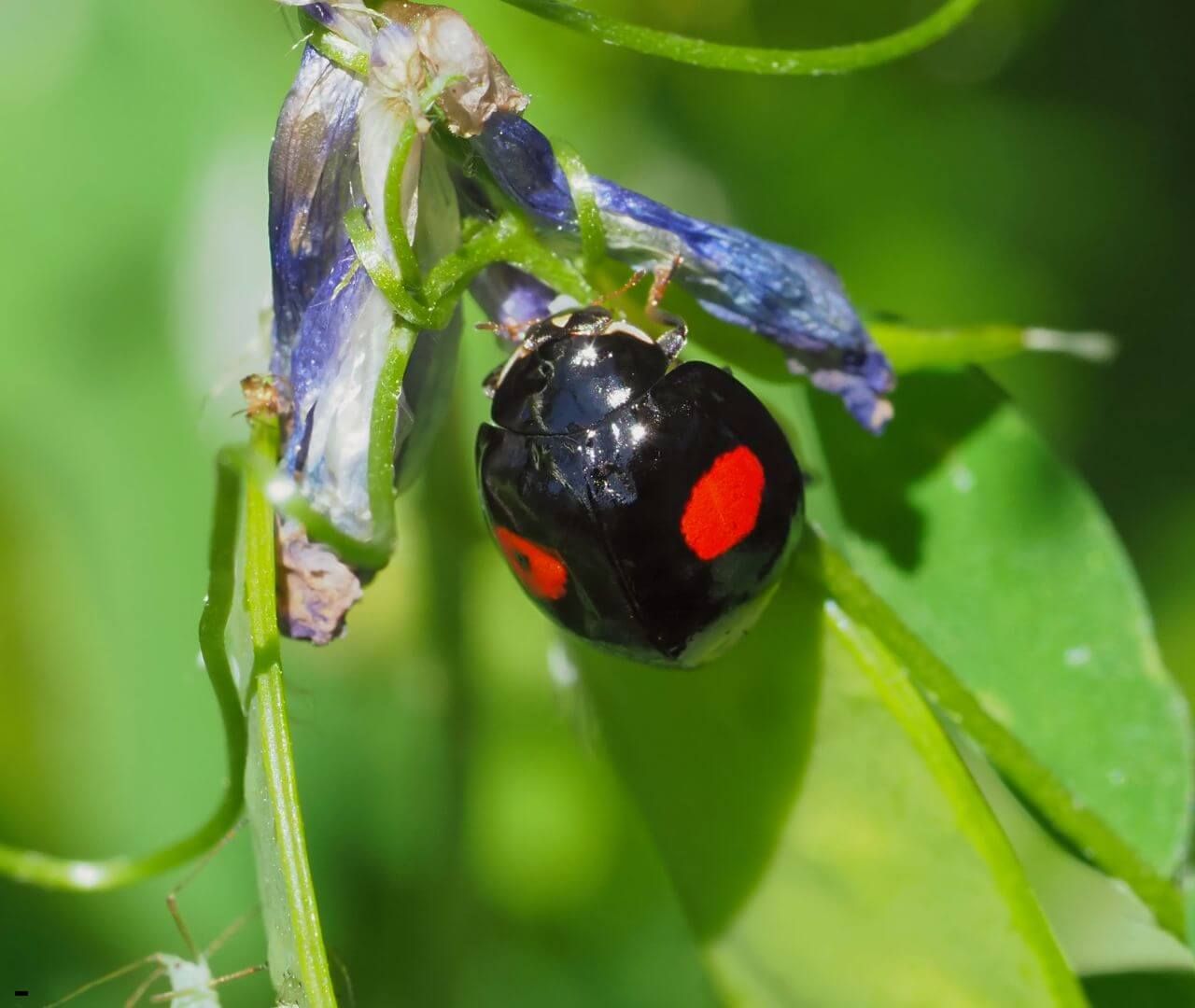
Some species of red-spotted lady beetles have black bodies with two large red spots. Some red-spotted lady beetles have huge ranges. Other species are endemic to (only found in) small regions.
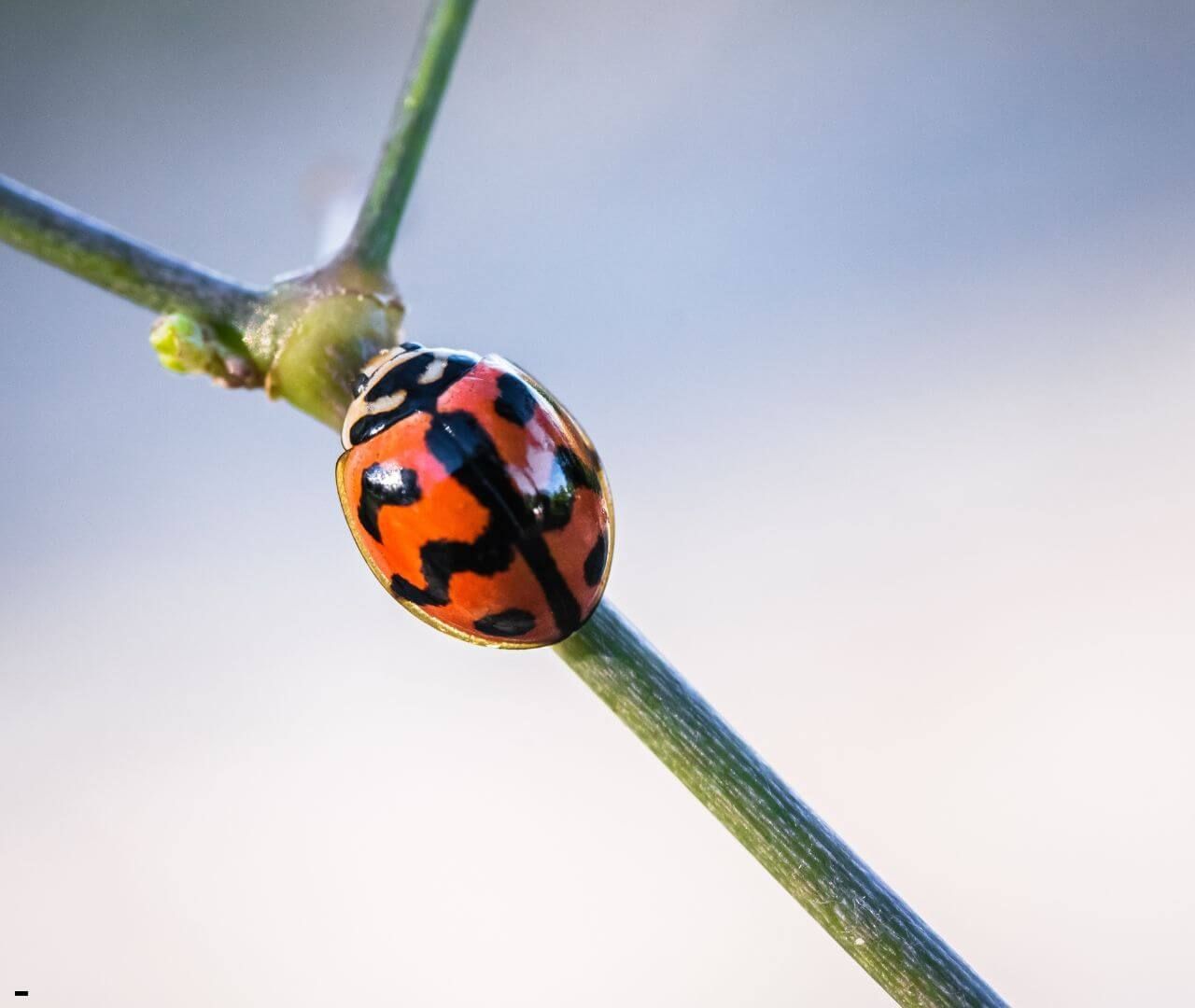
Some ladybugs are red and black, but do not have spots. Their patterns can be checkers, squiggles, or zig-zags, like the transverse ladybird. These unique species are found all around the world.
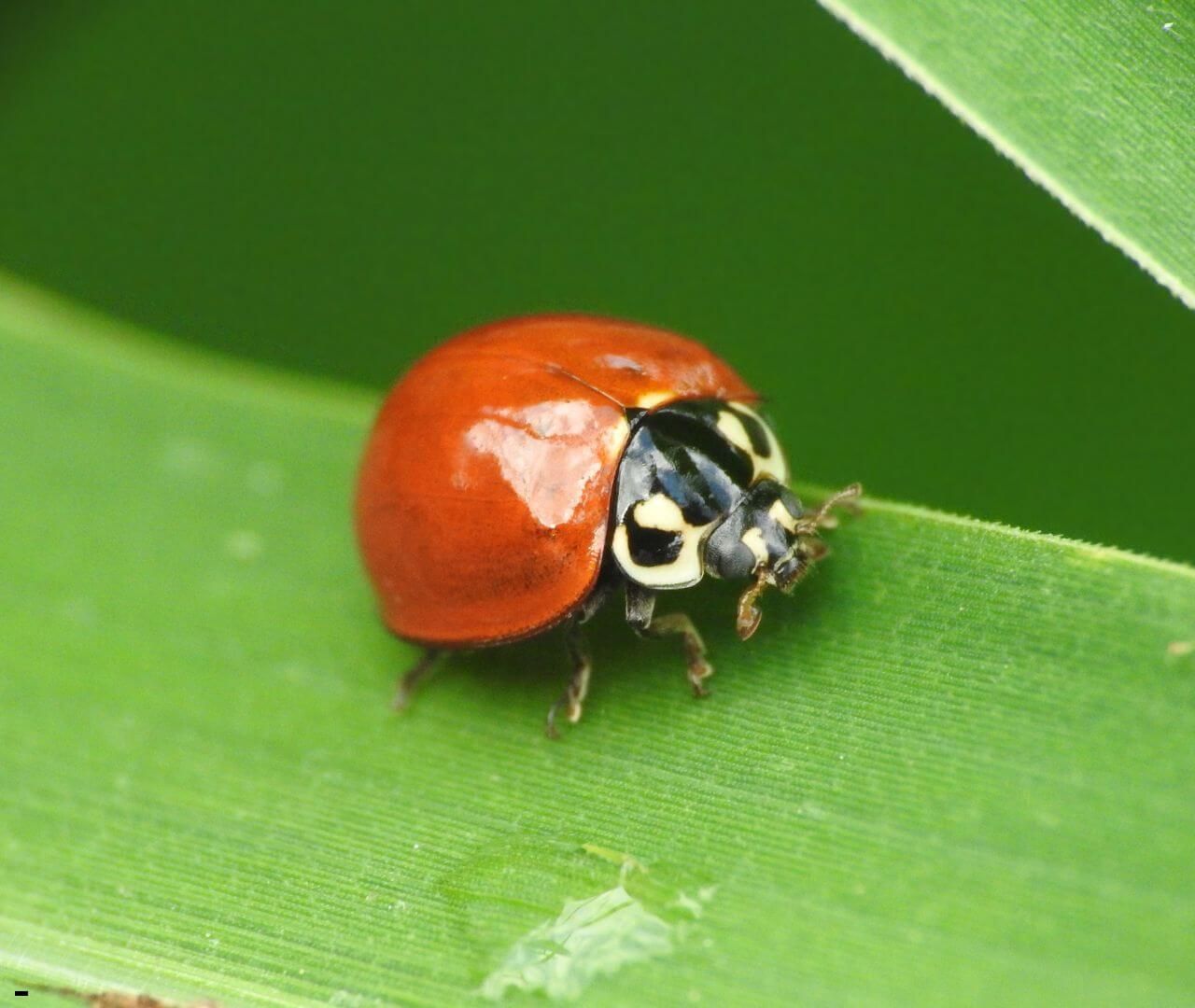
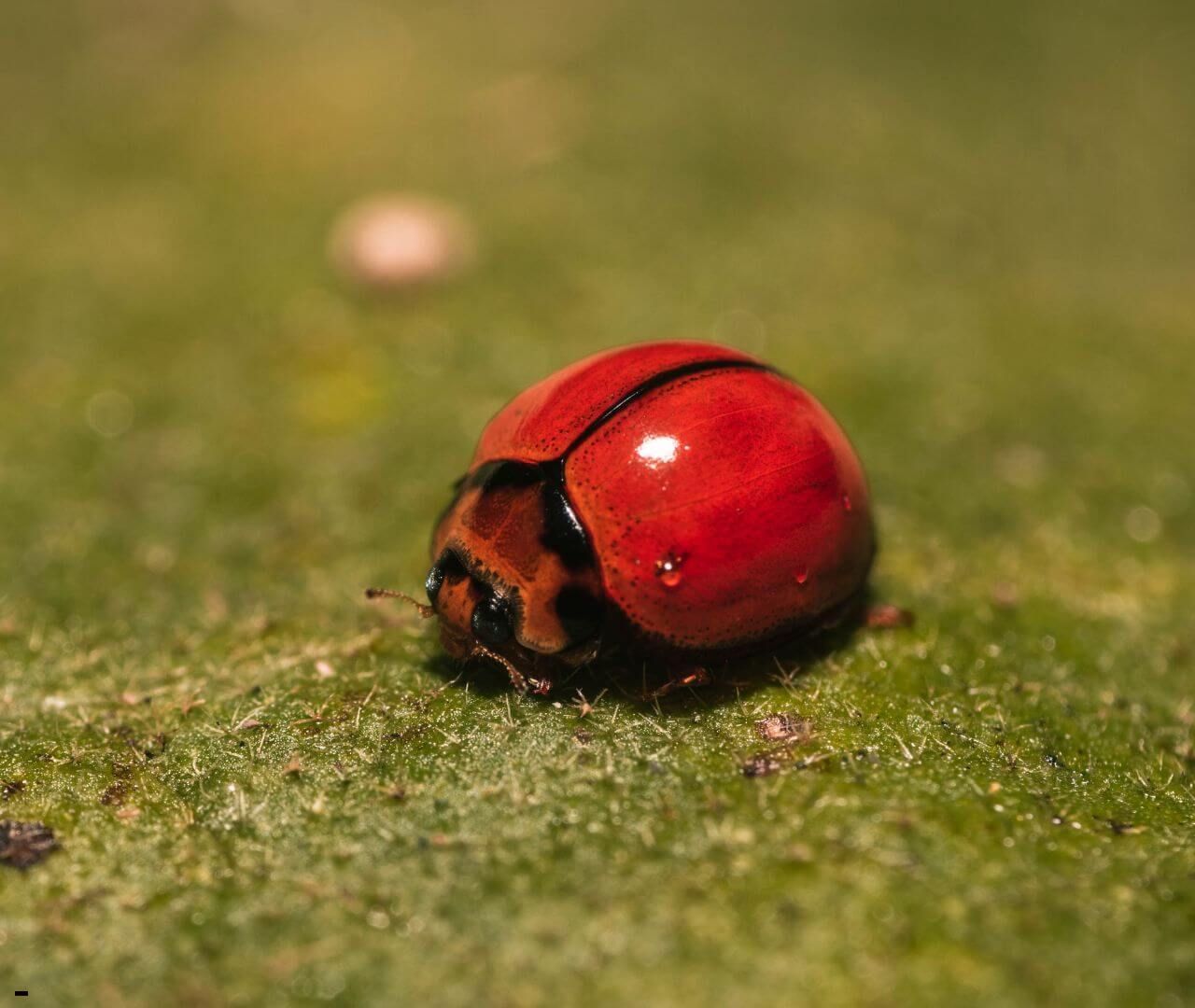
Other species have no pattern at all. The elytra of the polished lady beetle are solid red. This species is native to North America. Other solid-colored species can be found on other continents.
Regardless of their specific colors or patterns, most ladybugs are brightly colored. These bright colors warn predators of their poor taste. Being brightly colored helps ladybugs survive, no matter what color they are!
Conservation Corner
Releasing Ladybugs Into the Garden
Gardeners struggle to keep pests out of their garden. Some small bugs eat plants that gardeners work hard to grow. They eat the leaves and fruits. Others suck sugars and nutrients from the stems. Ladybugs are one animal that gardeners are typically happy to see. Ladybugs eat these harmful pests. Some gardeners even purchase ladybugs to release into the garden.
Releasing animals into the wild usually causes big problems. Ecosystems can fall out of balance when animals (like unwanted pets) are released. Non-native animals disrupt food chains. They make it harder for native animals to survive. So, is it OK for people to release ladybugs into the wild?
It depends! Scientists recommend that gardeners only release native ladybugs into the wild. Gardeners should not release ladybugs that are not normally found in their area. They also recommend releasing them in a controlled environment, such as a greenhouse. Ladybugs released into an open garden eventually fly away. This can lead to too many ladybugs in the area. Be sure to do your research if you purchase ladybugs for your garden.
Ladybug Challenge
Label the Ladybug
Learn More!
Glossary
Adaptation
The process by which a species becomes more fit for its environment over the course of several generations. It is a result of natural selection.
Antenna
An organ on the head of insects used to sense touch, smell, and taste.
Aposematism
Bright colors used to warn predators of poison.
Arthropod
A large group of invertebrates consisting of insects, arachnids, myriapods, and crustaceans.
Carnivore
An animal that eats primarily meat.
Compound Eyes
Complex organs used by some insects and crustaceans (like crabs) to see by collecting many tiny images to gain a wide view.
Elytron
The hard, protective front wing of a ladybug or other beetle (plural: elytra).
Exoskeleton
A hard exterior that supports and protects many species of invertebrates.
Generalist
An animal that feeds on a wide variety of food items.
Insect
A class of invertebrates with 6 legs, 2 body segments, and a pair of antennae.
Invertebrate
An animal that has no bones.
Larva
The immature phase of an animal that undergoes metamorphosis, like a butterfly or tadpole.
Mandible
[In arthropods] Tooth-like mouth parts used for chewing, cutting, and biting.
Metamorphosis
The process of an animal changing and developing from an egg to an adult through different life phases.
Parasite
An organism that lives on or in a host organism and relies on them for survival at the expense of the host.
Pheromone
A communication chemical used to signal information to members of the same species.
Predator
An animal that hunts other animals for food.
Prey
An animal that is hunted and eaten by another animal.
Pupa
The inactive phase of an insect's life cycle following the larval phase when they transition to their adult phase during complete metamorphosis.
Secrete
To produce and discharge a substance, such as poison.
Specialist
An animal that feeds on one or just a few types of food.
Species
A closely related group of animals with similar characteristics that are capable of reproducing (example: tigers).