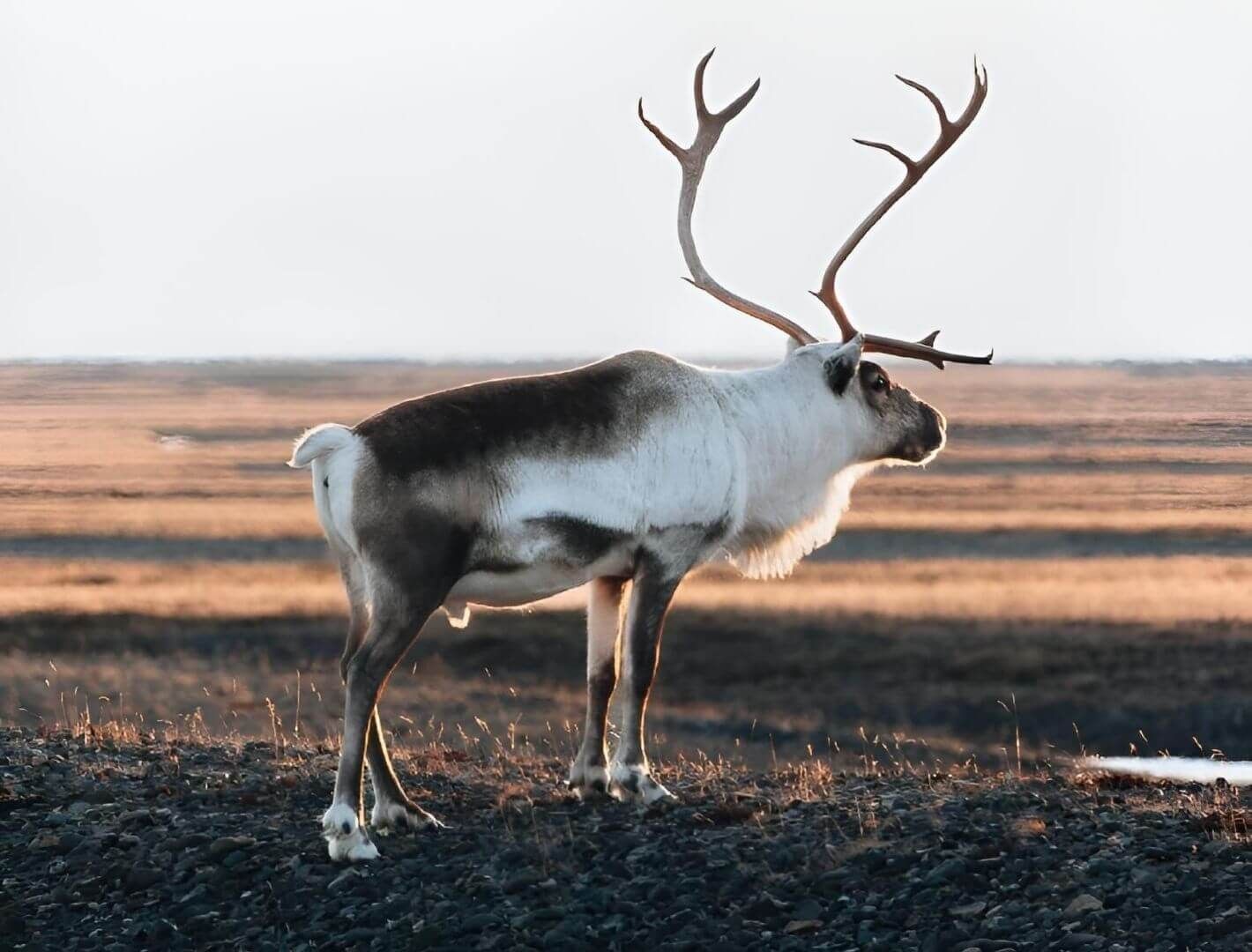
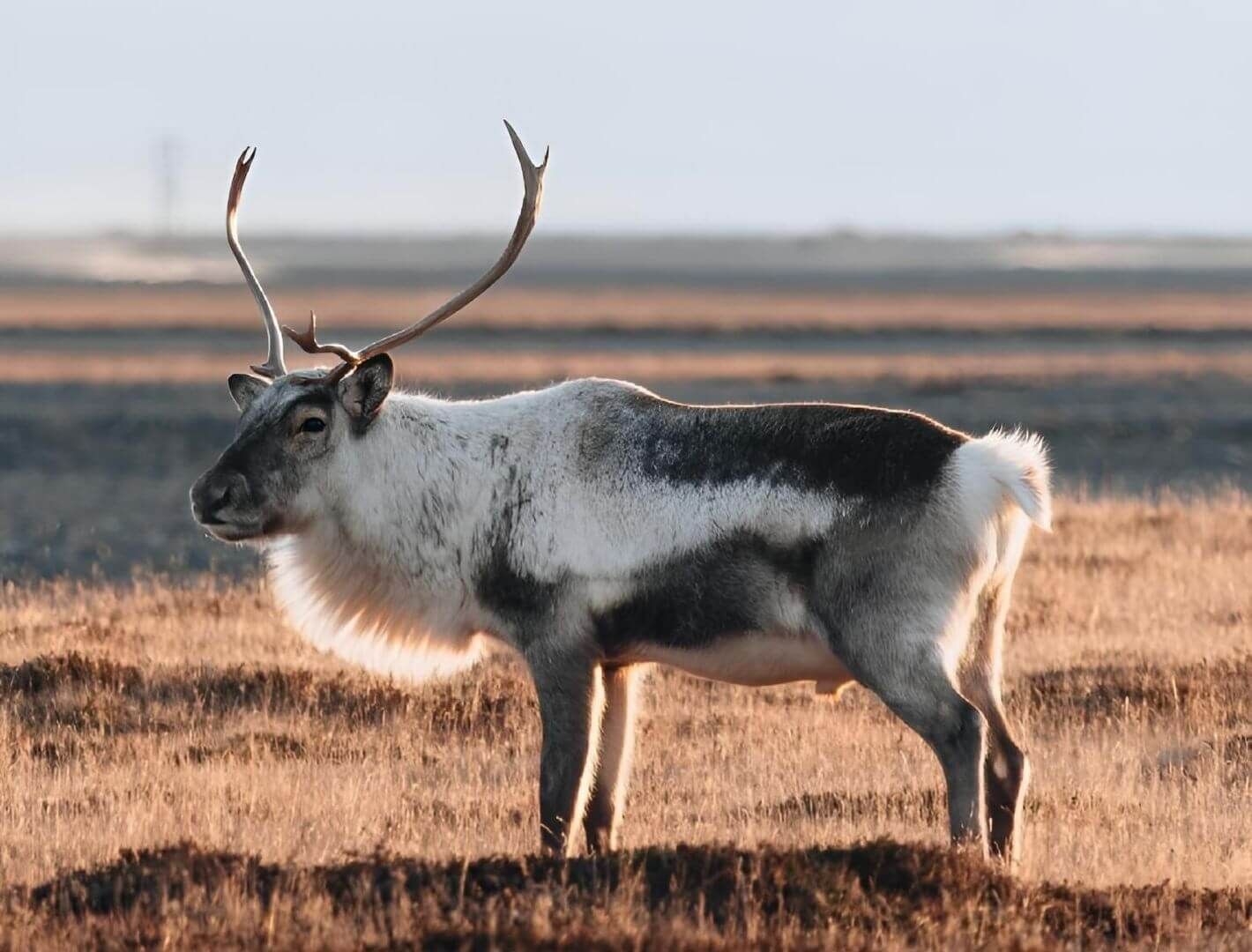
Caribou

Let's Learn About Caribou
Word of the Week
xxx
xxx
Fast Facts

Where do caribou live?
xxx
What do moose eat?
xxx
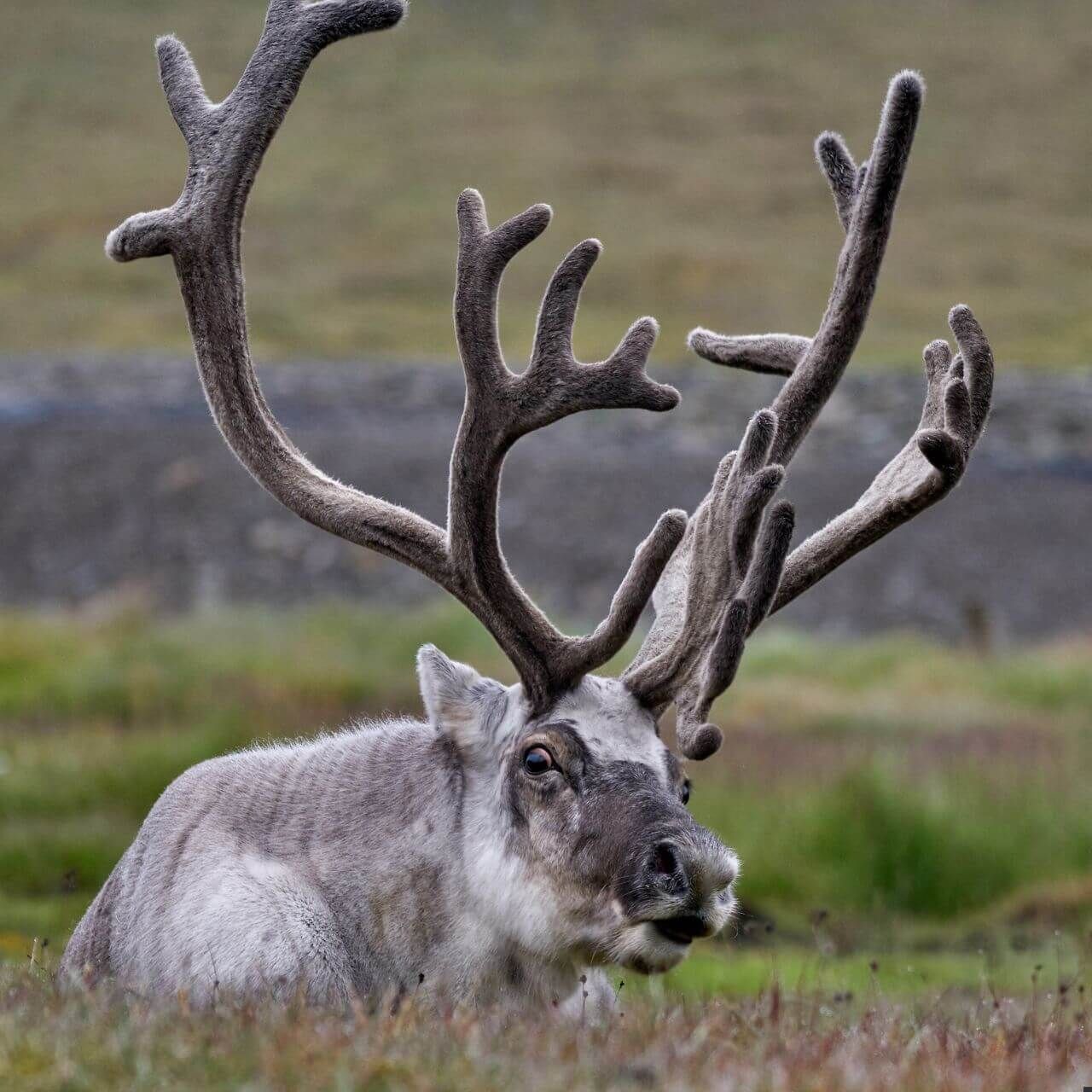
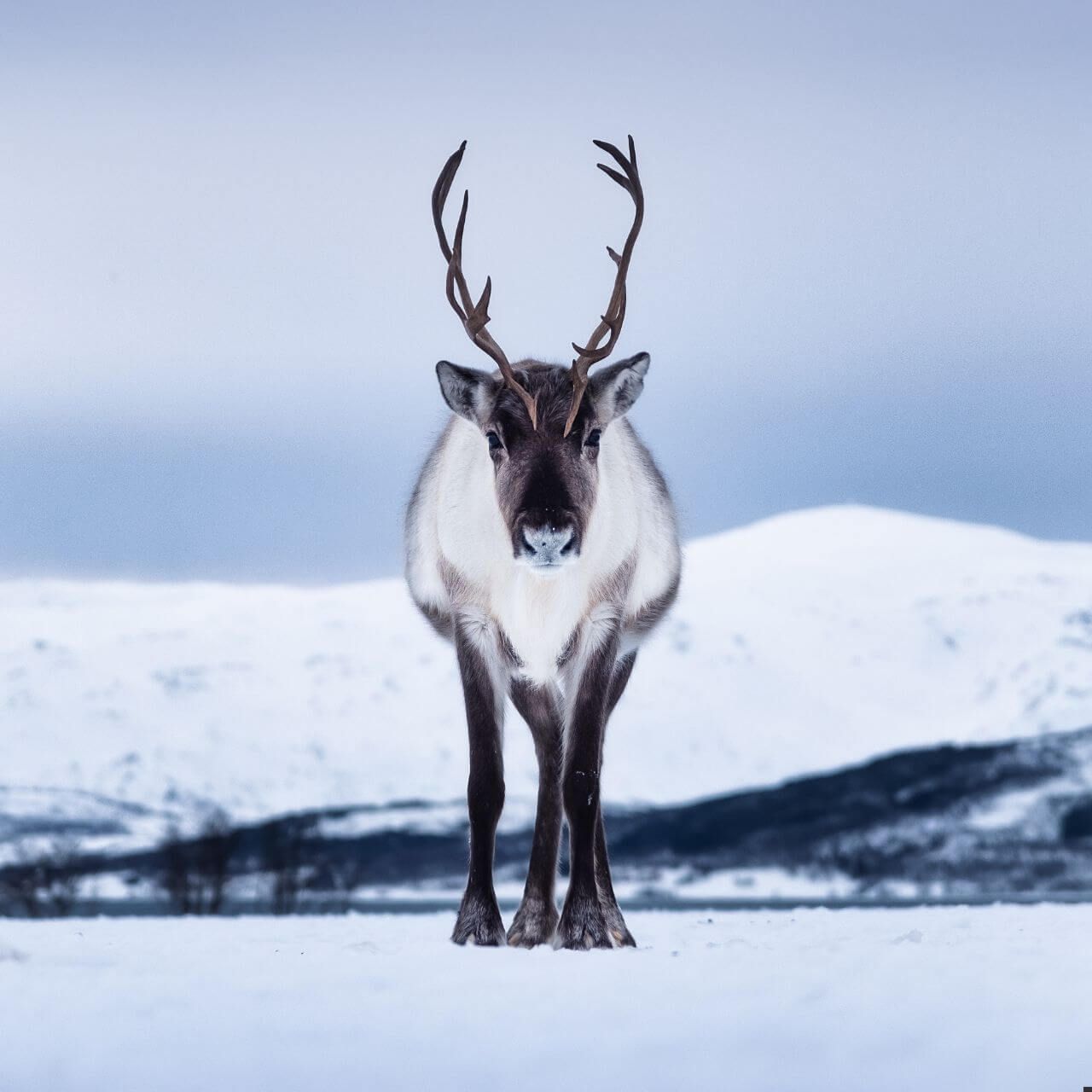
What traits do moose have?
xxx
How many moose are there?
xxx
Conservation Corner
xxx
xxx
Moose Challenge
Learn More!
Glossary
Adaptation
The process by which a species becomes more fit for its environment over the course of several generations. It is a result of natural selection.
Aquatic
Living in water.
Camouflage
The ability for an organism to blend into their surroundings usually to hide from prey or predators.
Carnivore
An animal that eats other animals.
Closed Canopy
A region of forest or woodland where the tree tops touch or overlap.
Ectotherm
An animal that relies on the outside temperature to regulate their body temperature (reptiles and amphibians). Also known as cold-blooded.
Endotherm
An animal that regulates their body temperature internally (mammals and birds). Also known as warm-blooded.
Herbivore
An animal that eats mostly plants.
Invertebrate
An animal that has no bones.
Mammal
A group of endothermic (warm-blooded) vertebrates that are covered in hair, produce milk for offspring, and generally give birth to live offspring.
Omnivore
An animal that eats both plants and animals.
Open Canopy
A region of forest or woodland where the tree tops do not touch or overlap.
Predator
An animal that hunts other animals for food.
Prey
An animal that is hunted and eaten by another animal.
Ruminant
A hooved, herbivorous mammal with a specialized digestive system allowing them to eat plants, regurgitate it, and continue digesting in a different part of their stomach.
Species
A closely related group of animals with similar characteristics that are capable of reproducing (example: tigers).
Subspecies
A group of animals within a species that are genetically different from other groups in the same species (there are 6 subspecies of tigers).
Vertebrate
An animal that has a backbone.