
Pangolins

Let's Learn About Pangolins
Word of the Week
Keratin
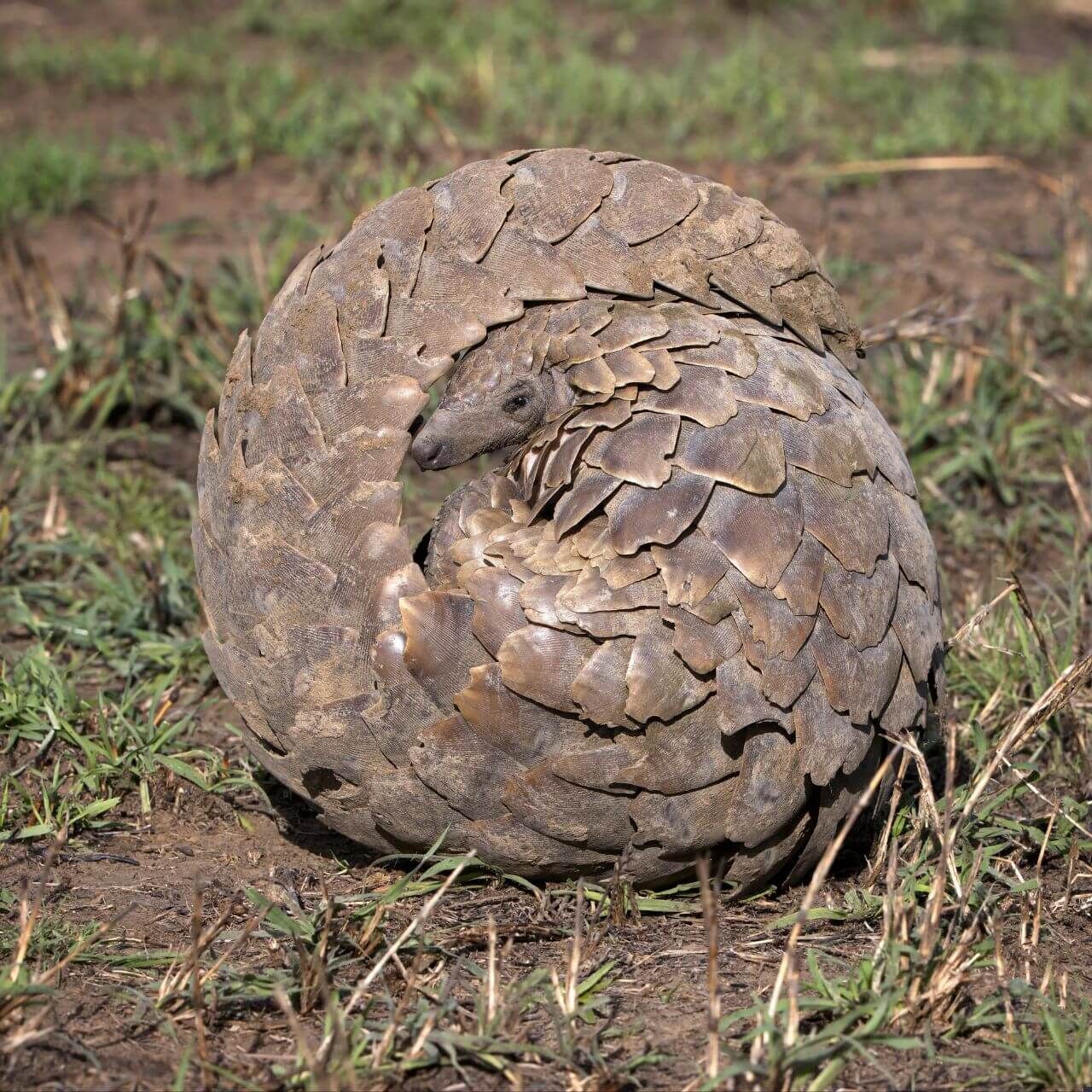
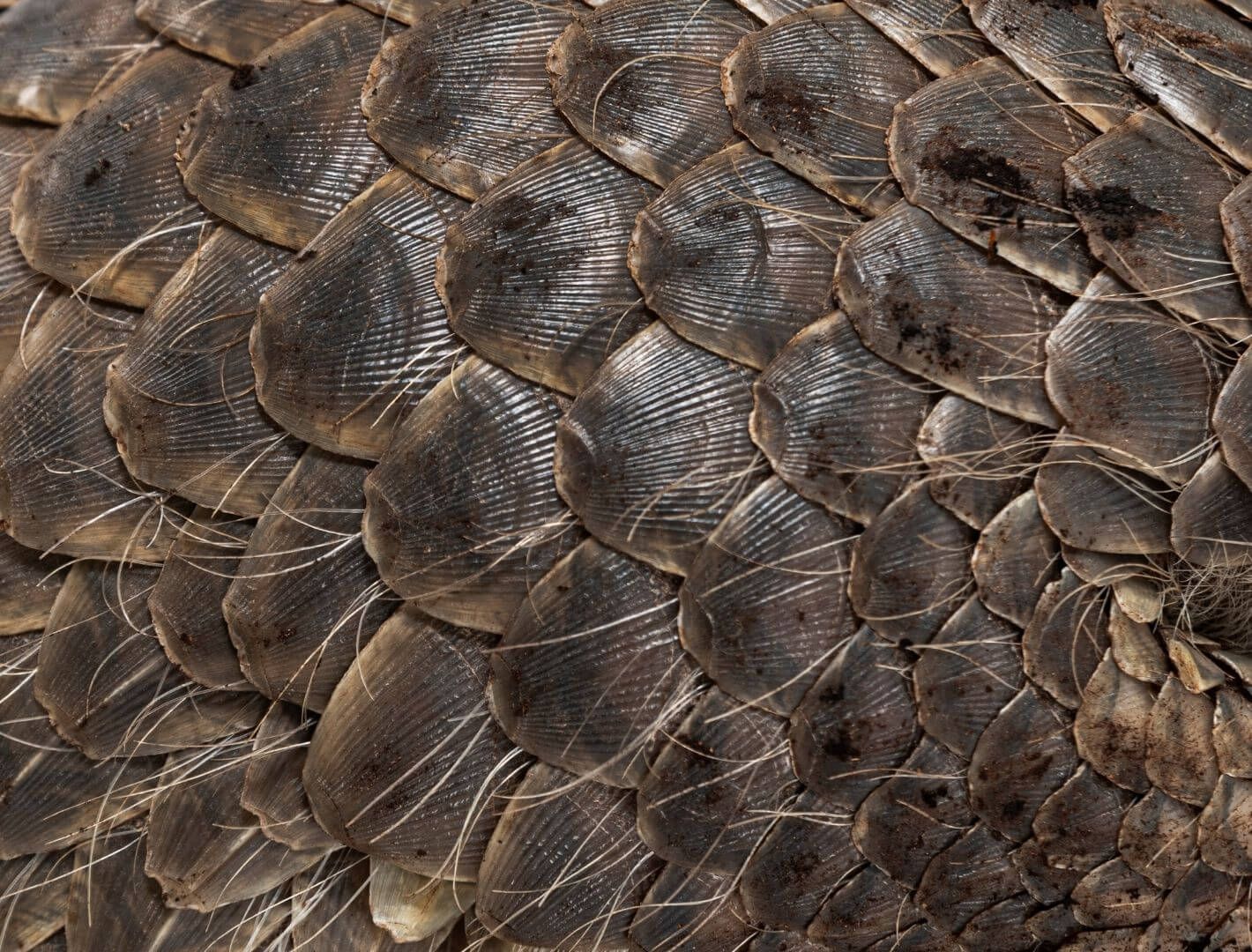
Pangolin scales are made of a protein called keratin. Pangolins rely on their keratin scales to protect themselves from predators.
Hair, nails, reptile scales, and bird feathers are also made of keratin. So is a rhinoceros's horn!
Fast Facts
Where do pangolins live?
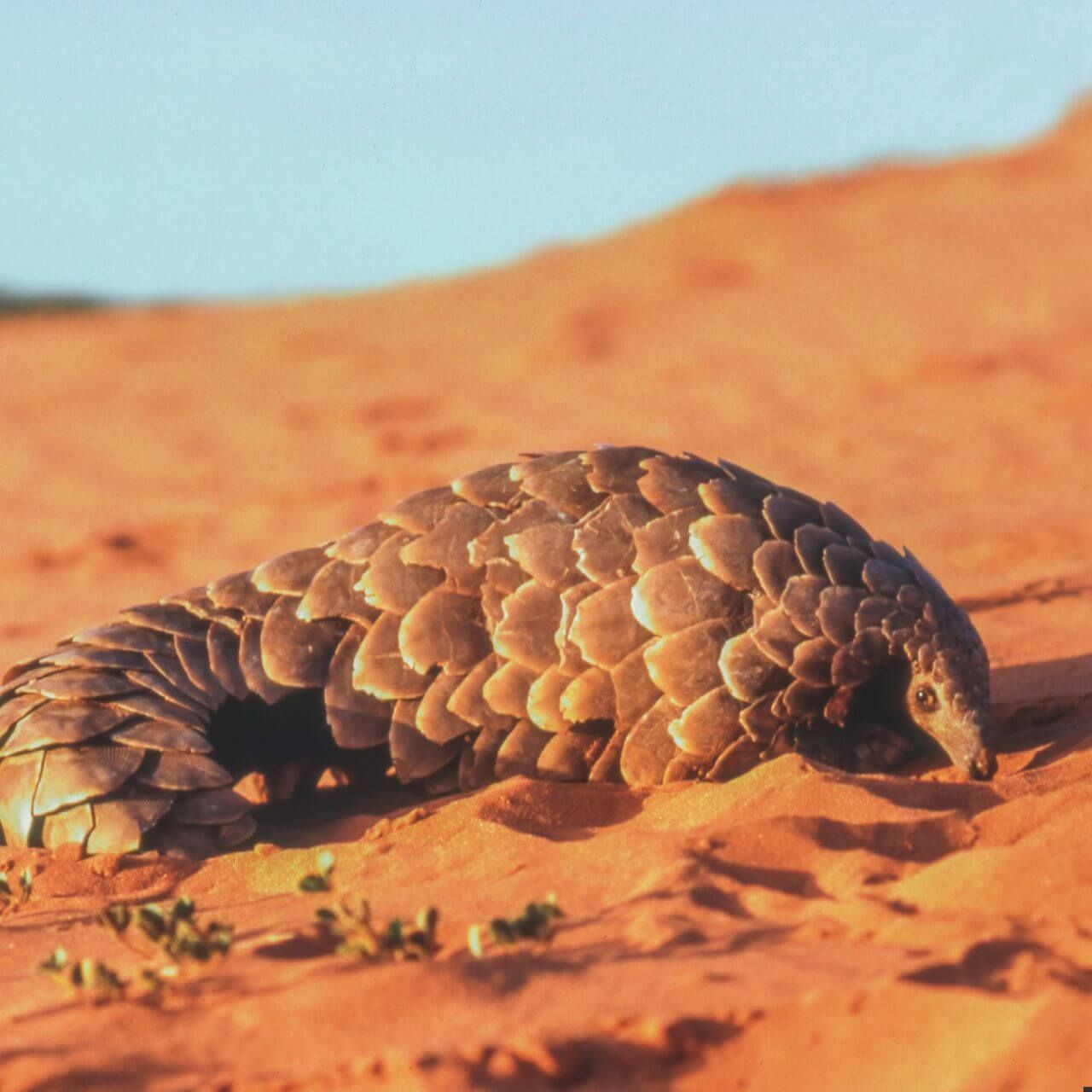
Pangolins live in Africa and Asia.
They live in many habitats. Pangolins are found in deserts, rainforests, savannas, and grasslands.
What do pangolins eat?
Pangolins are insectivores. They mostly eat insects.
Some pangolins are myrmecophagous, meaning they only eat ants and termites. Some pangolins also eat bee larvae, crickets, and worms.
What traits do pangolins have?
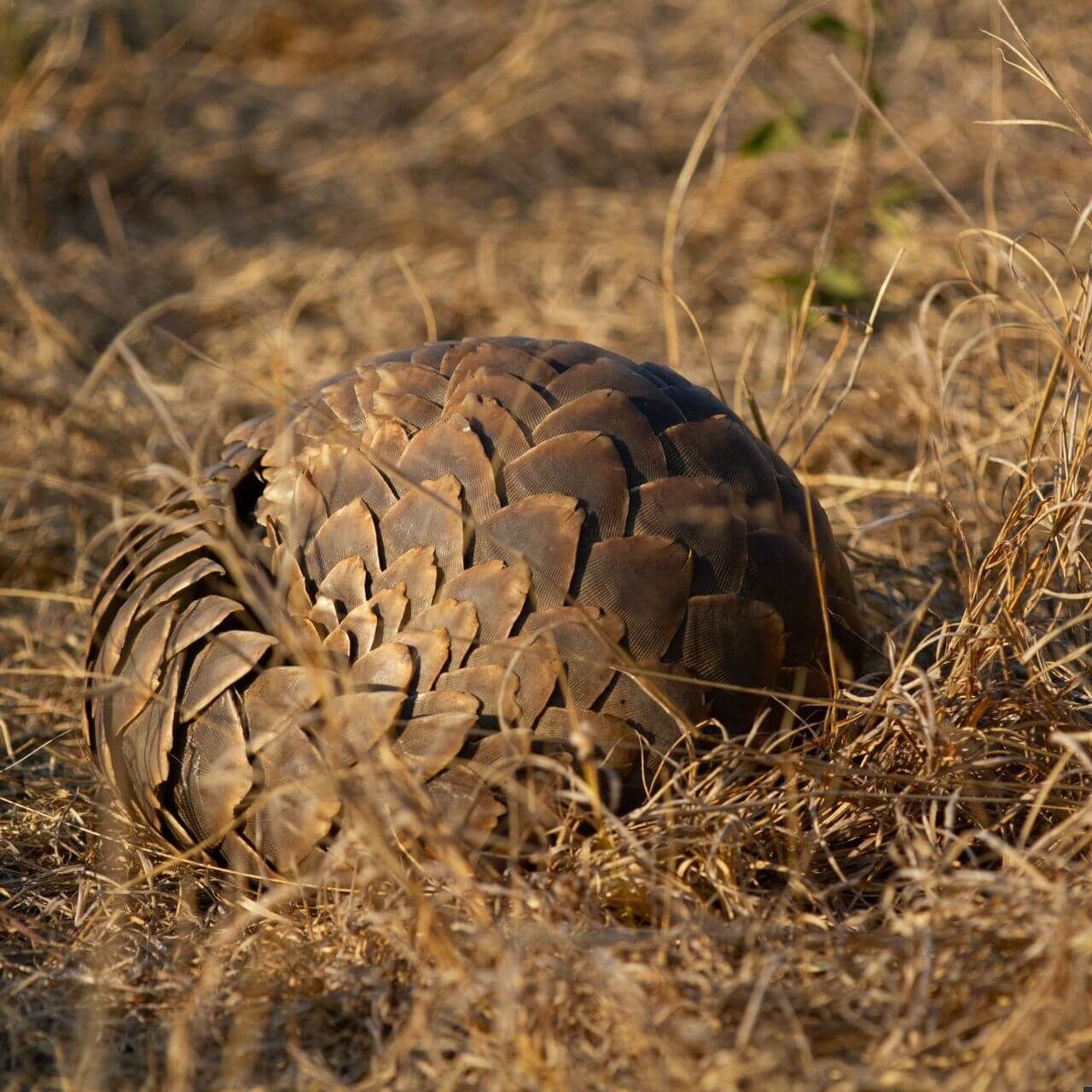
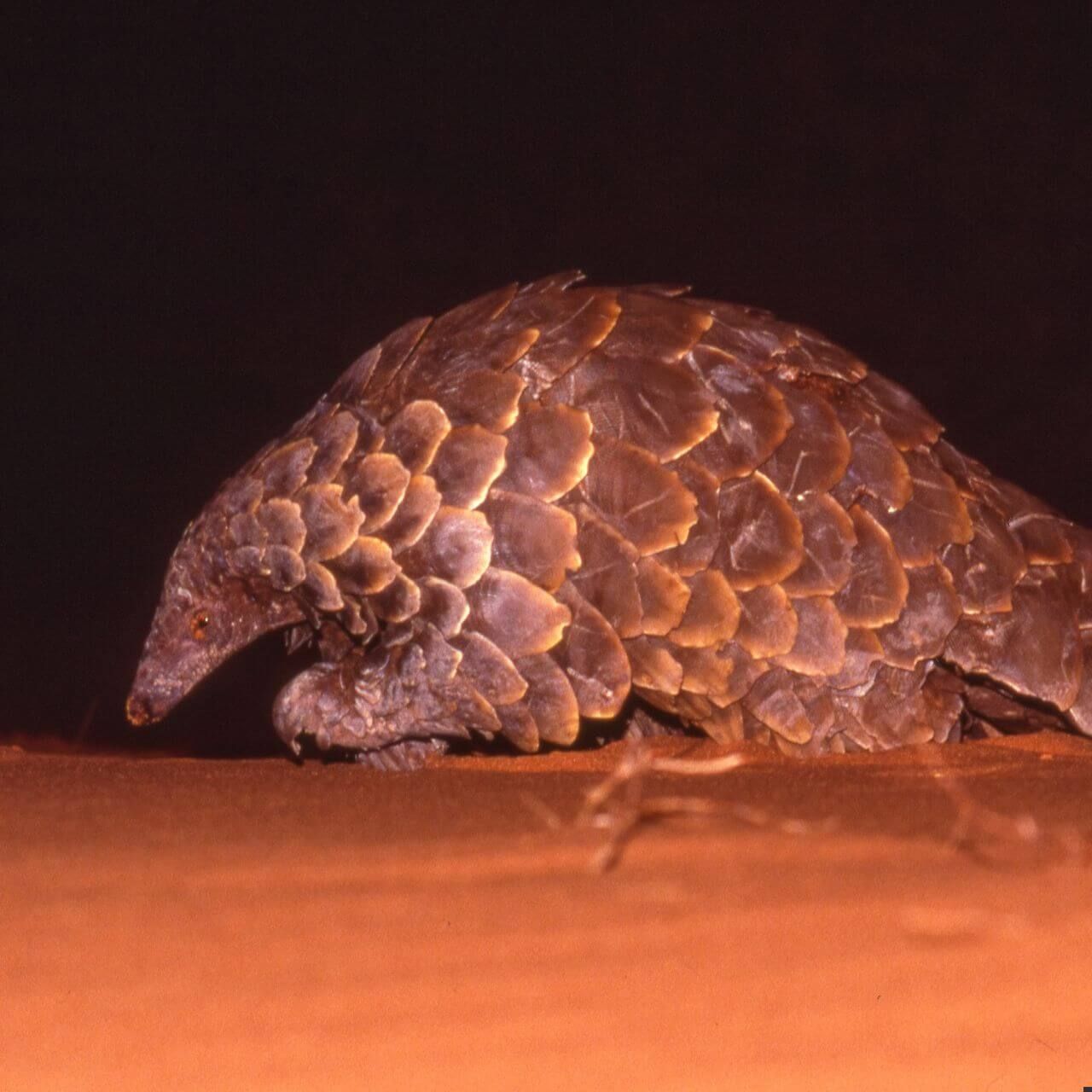
There are eight species of pangolins. They share many traits, such as...
- Heavy-duty scales made of keratin.
- Long, sharp claws.
- Strong sense of smell.
- Long sticky tongue.
- Nocturnal behaviors.
How many pangolins are there?
All eight species of pangolins are threatened with extinction.
It is challenging for scientists to estimate the population size of each pangolin species. Some are listed as vulnerable, while others are critically endangered. Their main threat is poaching for their scales. Many cultures believe pangolin scales have magical healing powers.
Species Spotlight
Comparing Pangolins
Terrestrial: Living on the ground | Arboreal: Living in the trees
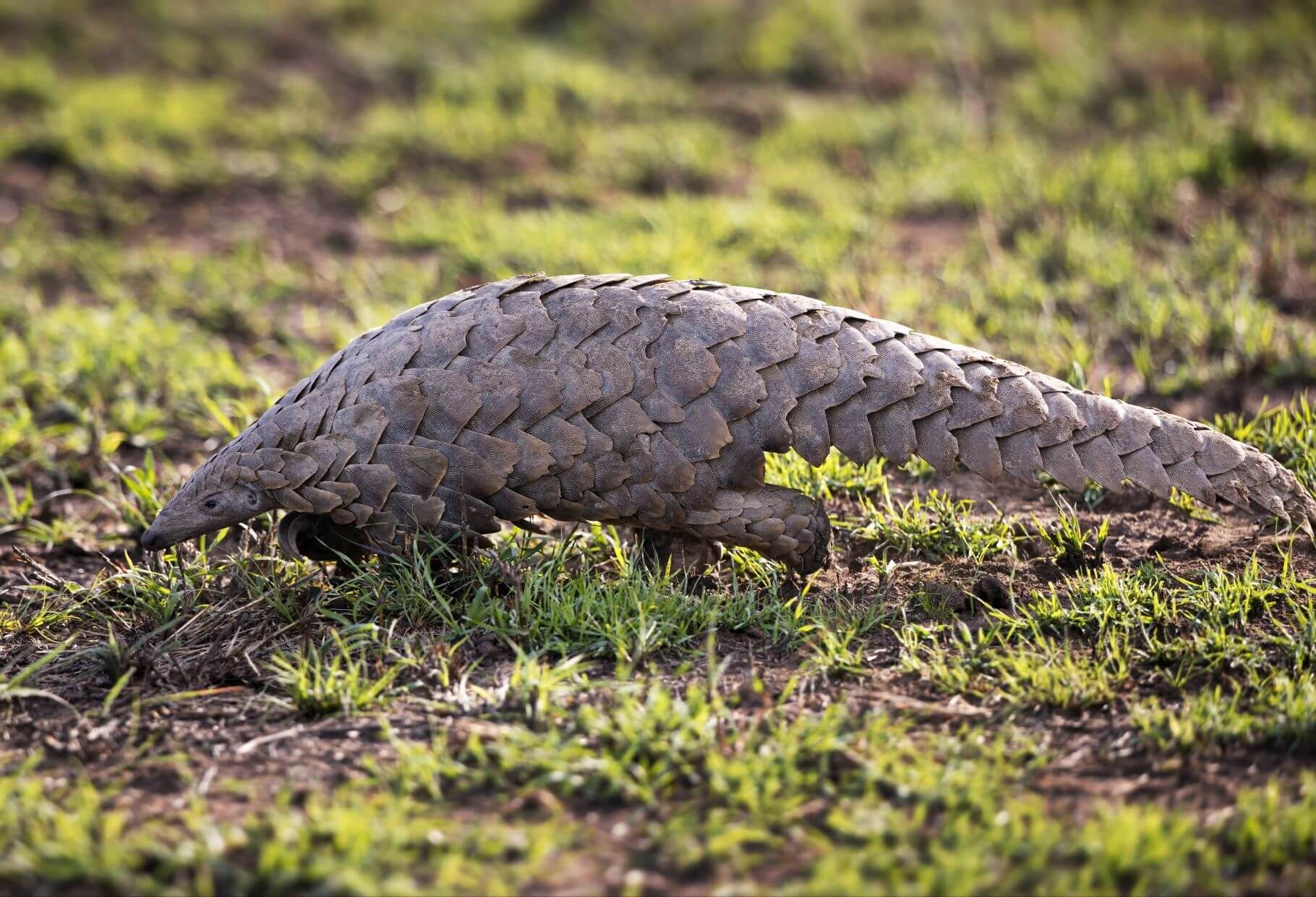
All eight species of pangolins have similar traits. They have thick, heavy scales made of keratin. They have sharp claws that are good for digging. Pangolins also have a long snout and tongue. However, there are some differences between pangolin species. Terrestrial pangolins have adaptations to survive on the ground. Arboreal pangolins have adaptations to survive in the trees. Let's explore the differences between terrestrial and arboreal pangolins.
Size
Terrestrial pangolins are larger than arboreal pangolins. The largest pangolin species is the giant ground Pangolin. The smallest pangolin species is the arboreal black-bellied Pangolin. Smaller pangolins are better at climbing because they are lighter.
Tail
Terrestrial pangolins have wide, flat tails. They are used for balance when digging. Some arboreal pangolins have a long, prehensile (grasping) tail. Prehensile tails grasp tree branches while climbing.
Resting Spot
Terrestrial pangolins rest in burrows. Arboreal pangolins rest in tree hollows or high in the branches. Terrestrial pangolins walk on their knuckles to keep their claws sharp for digging burrows.
Food
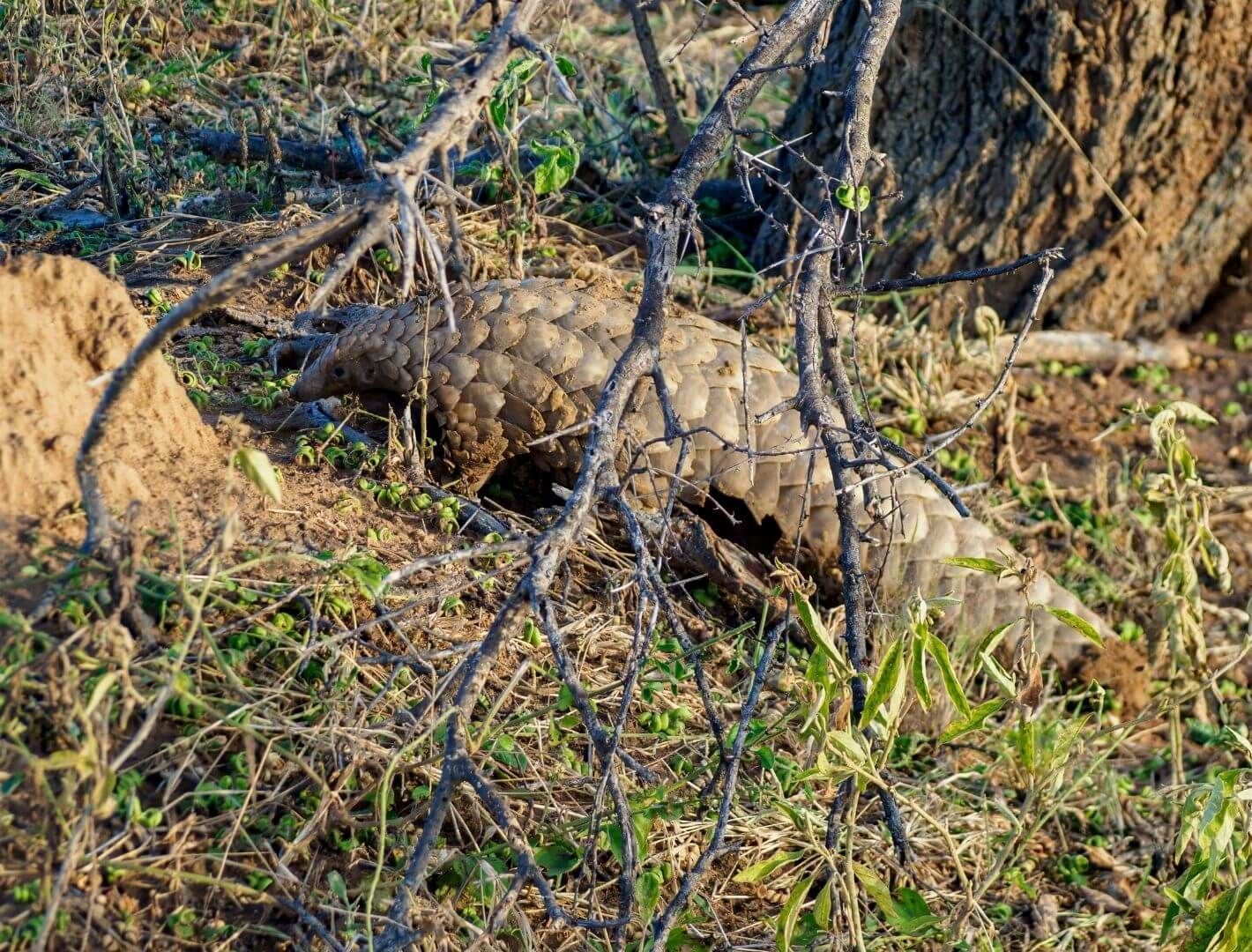
Terrestrial pangolins dig into termite mounds and ant hills for food. Arboreal pangolins search for food in the trees. They look for ant colonies in trees and insects around fruits and flowers.
Scientists still have a lot to learn about pangolins. They may discover even more differences as they continue researching. Learning more about pangolin traits and behaviors will help us protect them. Scroll down to explore a cool pangolin conservation project!
BRAIN BLAST
Some pangolins have hair, but all pangolins have scales like a reptile. They are rule breaking mammals. What other mammals have traits that make them unique for mammals?
Conservation Corner
Dogs Protecting Pangolins
Pangolins are frequently hunted for their scales. Many cultures believe pangolin scales have magical healing powers. They are even used in witchcraft. For decades, African and Asian countries used laws and wildlife rangers to protect pangolins. Unfortunately, pangolin populations continued to shrink. The African Wildlife Foundation (AWF) decided it was time to try something new.
In 2014, the AWF started Canines for Conservation. They began training dogs to smell for illegal animal products. The dogs were trained to smell for ivory (elephant tusks), rhino horns, and pangolin scales. They were used in airport security to smell for hidden wildlife products. In the first 8 months of 2016, the dogs detected 26 illegal products. They even detected animals they were not trained to smell for, like living tortoises. The people illegally carrying these products were arrested and fined.
Having the dogs at the airport stops people from trying to sell wildlife products. Canines for Conservation continues to grow because of its success. The dogs are now also used to track wild pangolins. Biologists use the dogs to find pangolin burrows to learn more about their range, behaviors, and population size. It is easier to protect pangolins when we know where they are and what they are doing. Who knew domestic dogs would be critical in saving endangered pangolins?
Created by Keratin
Determine if each animal part is made of keratin or not by sorting them into the correct box.
Pangolins Challenge
Write a Diary Entry for a Day in the Life of a Pangolin
Learn More!
Glossary
Arboreal
Living in the trees.
Camouflage
The ability for an organism to blend into its surroundings usually to hide from prey or predators.
Carnivore
An animal that eats primarily meat.
Endangered
An organism that is threatened with extinction.
Forage
To search for food.
Gastroliths
Small stones swallowed by animals to help with digestion.
Insectivore
An animal that feeds primarily on insects.
Keratin
A structural protein that makes up hair and fur, along with rhinoceros horns, porcupine quills, and part of turtle shells.
Mammal
A group of endothermic (warm-blooded) vertebrates that are covered in hair, produce milk for offspring, and generally give birth to live offspring.
Myrmecophagous
An insectivore that feeds primarily on ants and termites.
Nocturnal
To be most active at nighttime.
Pangopup
A baby pangolin.
Predator
An animal that hunts other animals for food.
Prehensile
Having the ability to grasp.
Prey
An animal that is hunted and eaten by another animal.
Solitary
To live alone.
Species
A closely related group of animals with similar characteristics that are capable of reproducing (example: there is 1 species of gray wolf).
Terrestrial
Living on the ground.