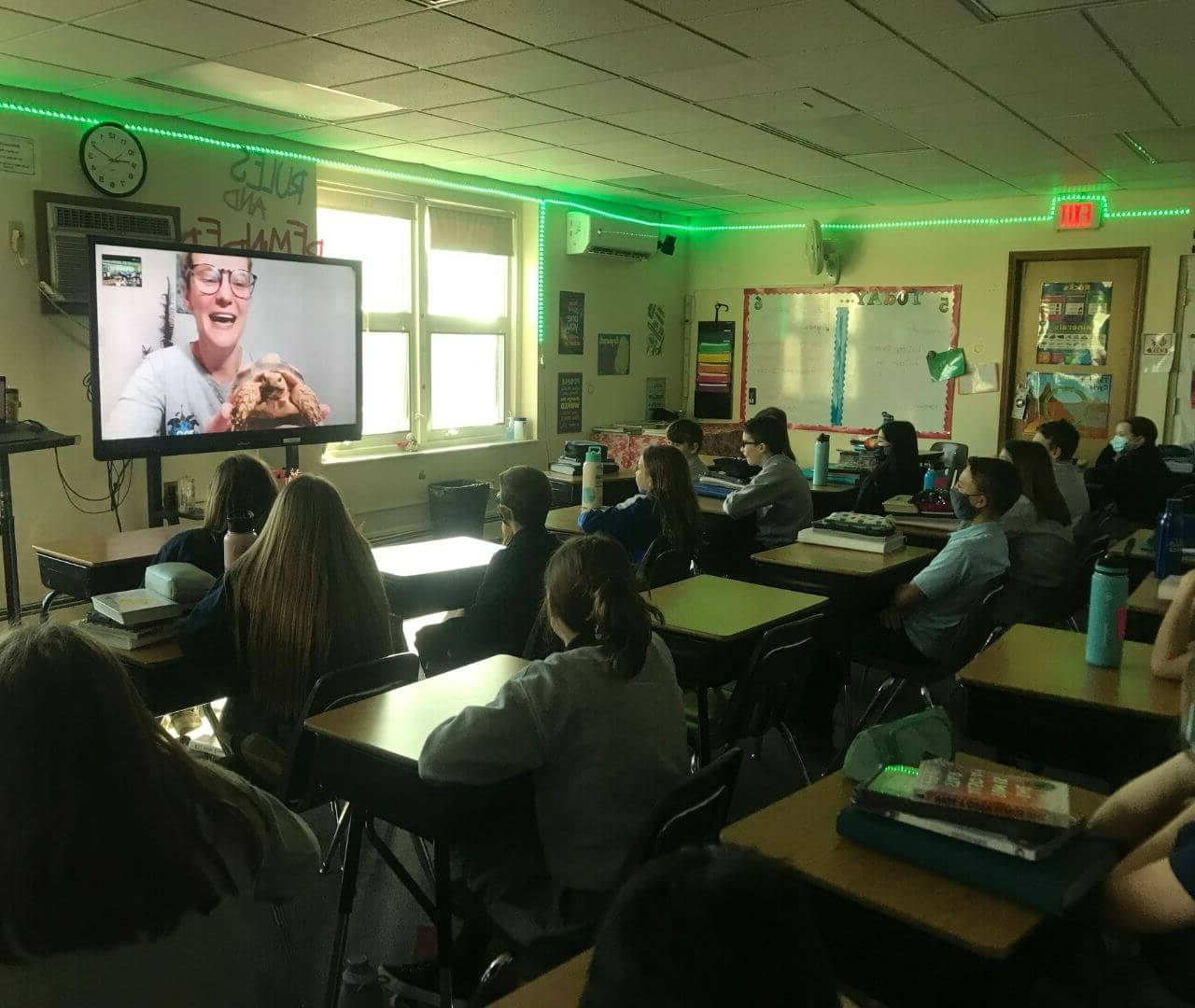
Instincts
Looking for More Lessons like This?
Future Zoologist Academy offers more than 100 zoology and ecology lessons for grades 3-8. Explore educational videos, readings, quizzes, activities, projects, and more. Each lesson is designed specifically for kids who love animals.
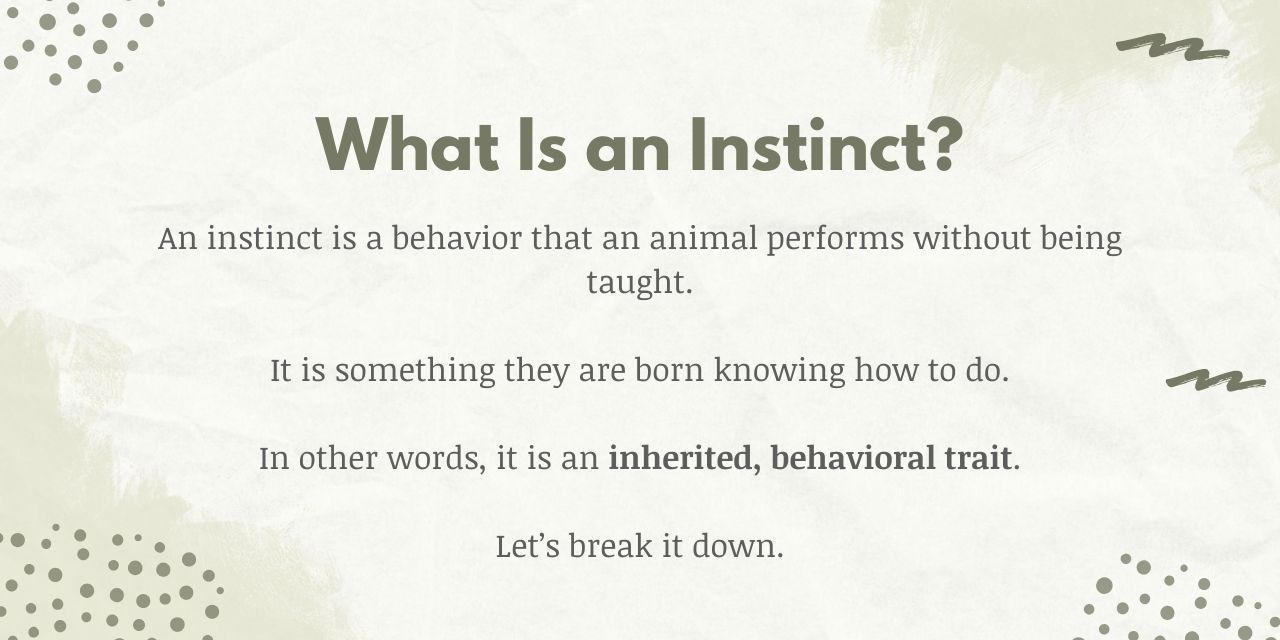
What Is an Instinct?
Click through the slides below to explore how and why animals have developed such amazing characteristics!
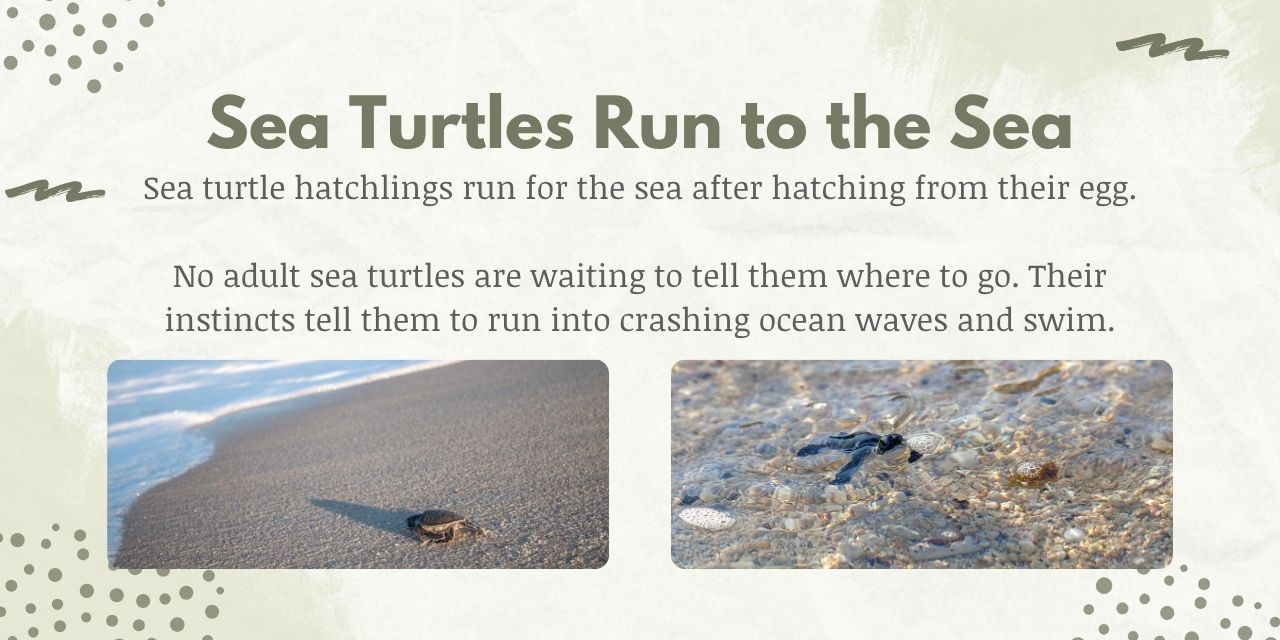
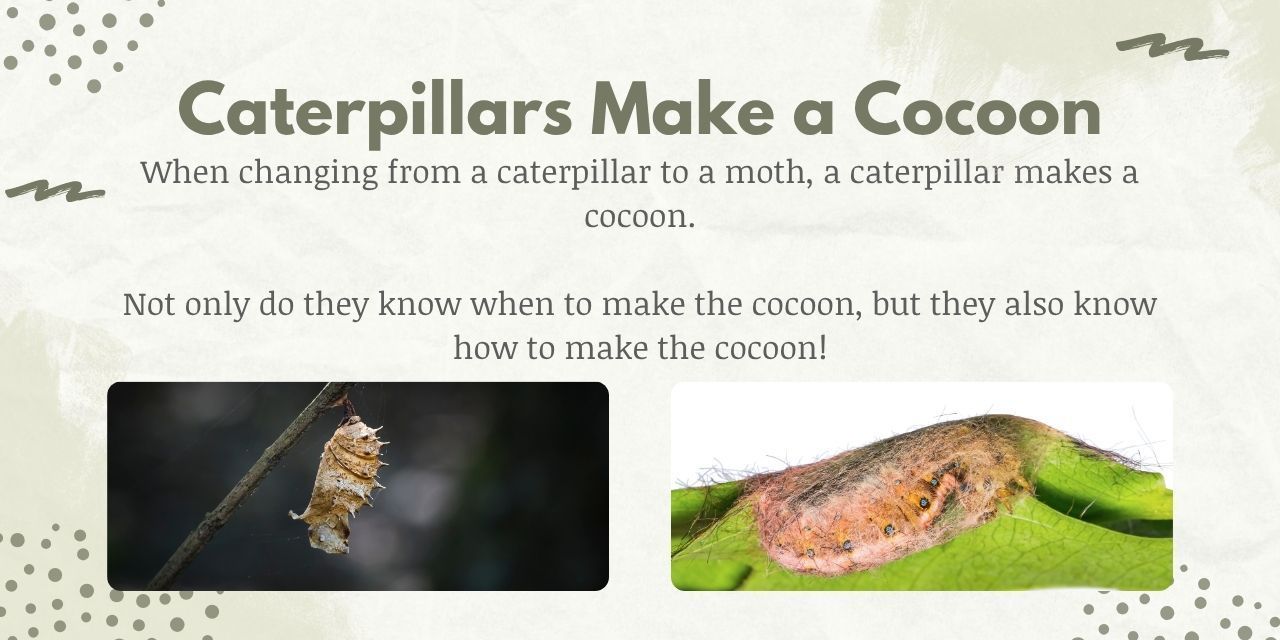
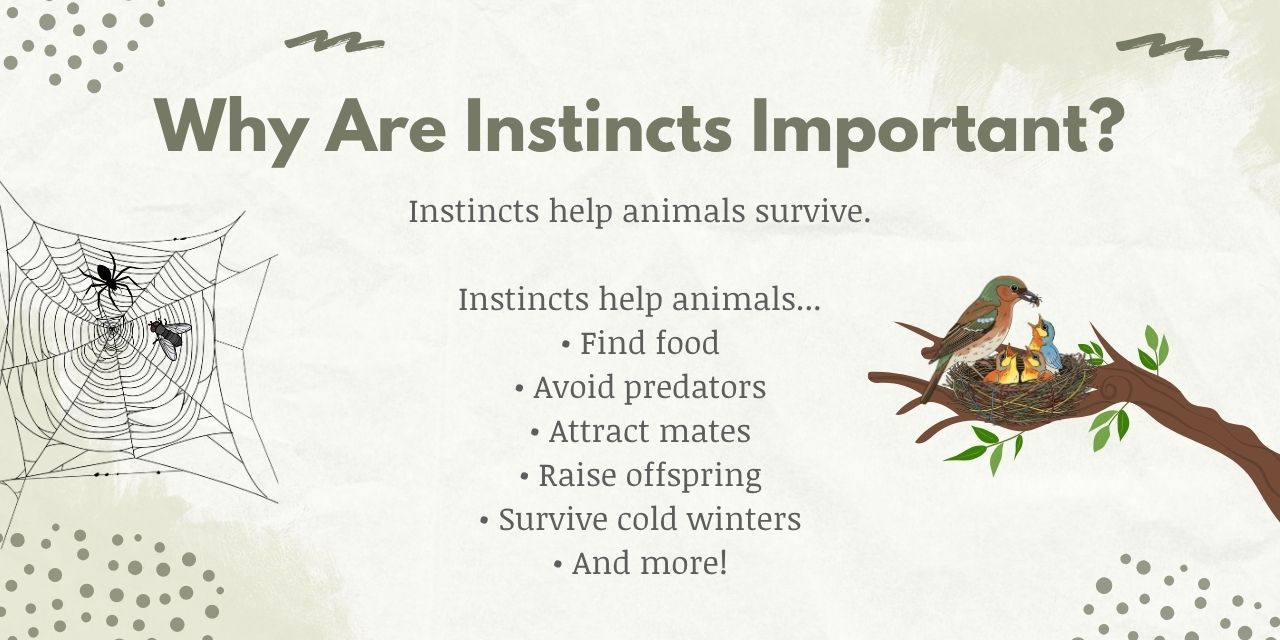
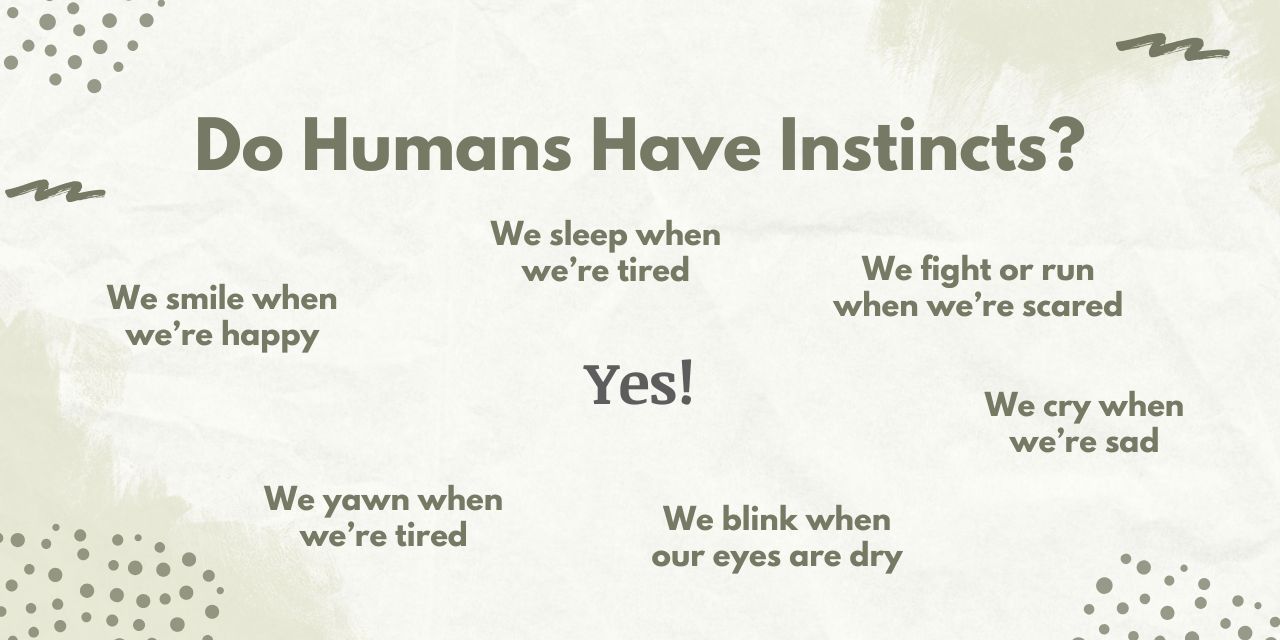
Behavioral Traits
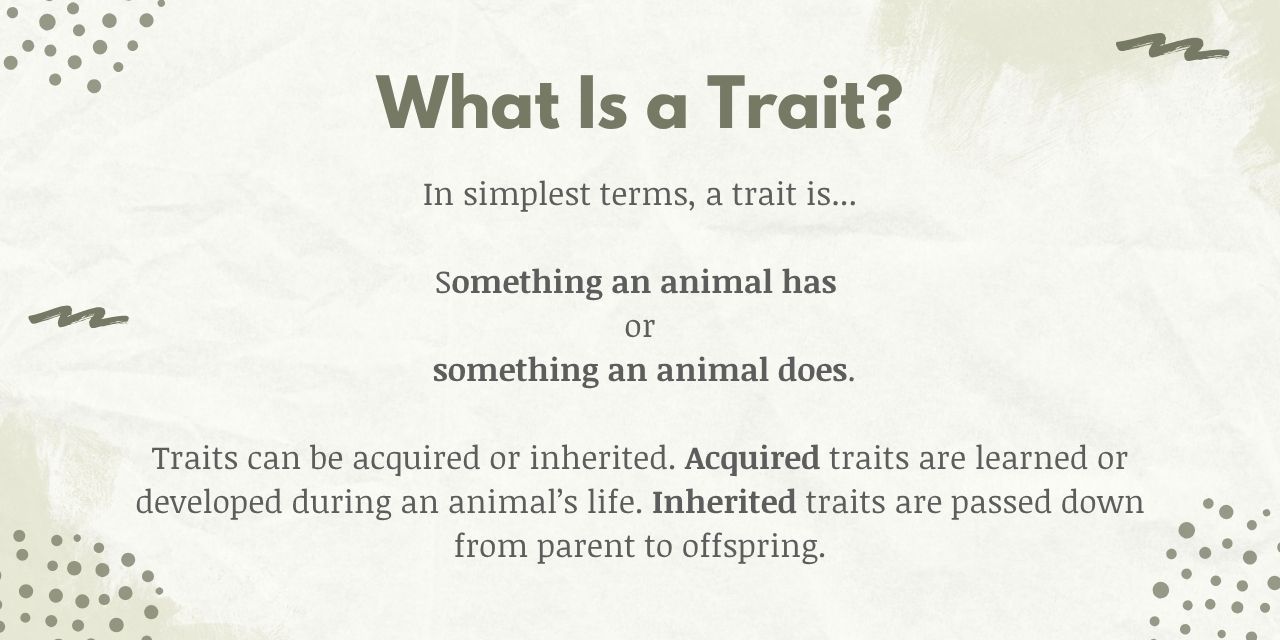
Behavioral traits are things animals DO, whereas physical traits are things animals have.
Read below to explore the differences between learned behaviors and inherited behaviors (instincts)!
Learned Behaviors
- Behaviors that animals are taught
- Can be similar among a species (for example, most adult humans know how to tie shoes)
- Developed through experience
- Often change throughout an animal's lifetime
Examples include...
- Reading
- Riding a bike
- Hummingbirds returning to the same feeder
- Lion cubs learning how to hunt
- Orangutans using a stick to scrape honey
Inherited Behaviors
- Also known as innate behaviors or instincts
- Behaviors animals perform without ever being taught
- Passed from generation to generation
- Traits are typically fixed and do not change during the animal's life
Examples include...
- Laughing
- Crying
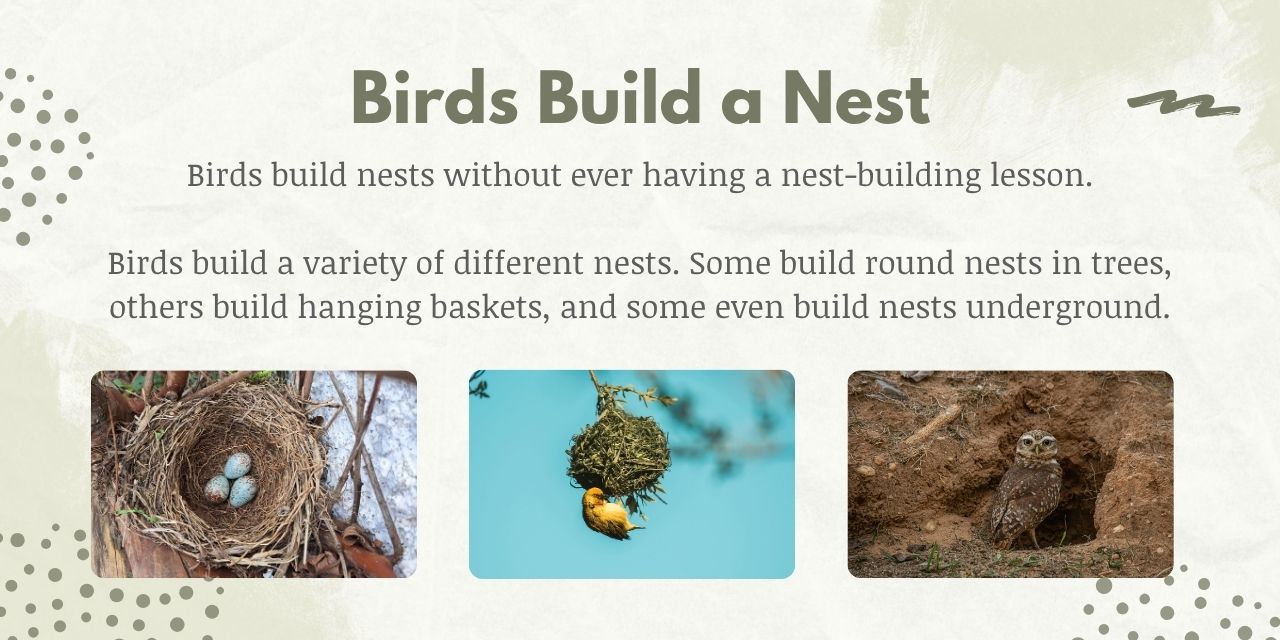
- Birds building a nest
- Frogs croaking
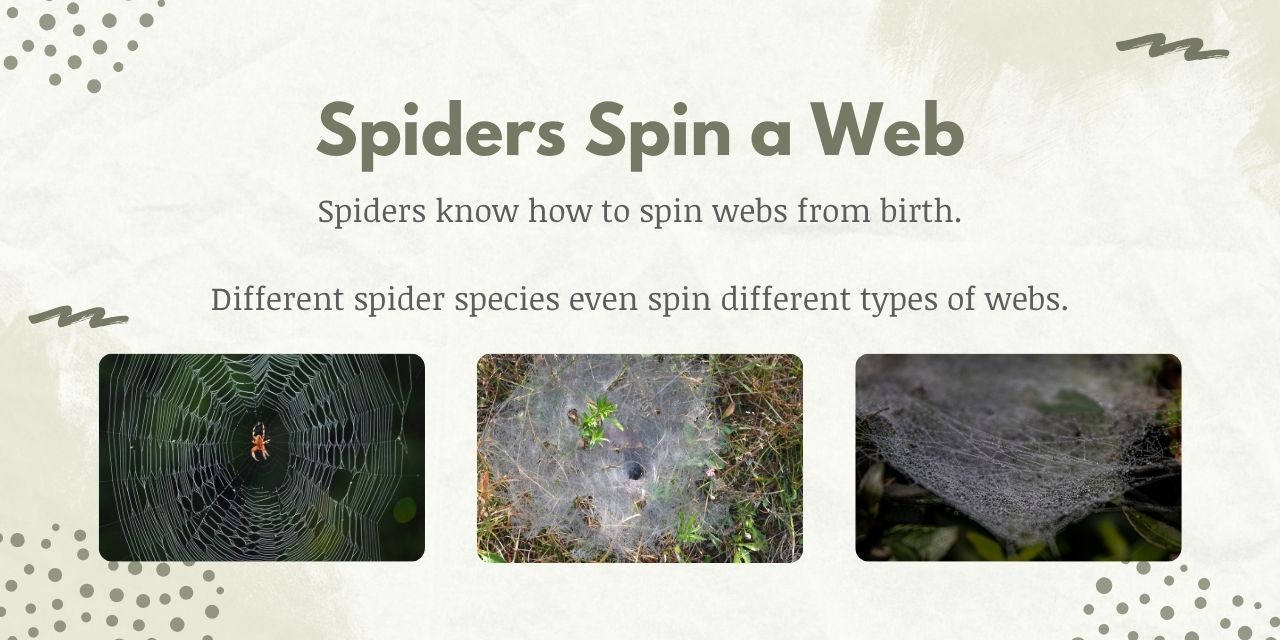
- Spiders spinner a web
Wild Cat Instincts
Read all about the amazing traits of tigers and bobcats! Be sure to notice the bolded text shows which traits are instincts.
Tigers
- Native to eastern Asia
- Orange and black stripes help them camouflage to sneak up on prey
- Nocturnal, meaning they sleep most of the day
- Hiss or roar when threatened
- Territorial
- Solitary, meaning they prefer to live alone
- Mark their territories with scratch marks and urine
- Carnivores (meat-eaters) with a strong urge to hunt
- Females care for cubs for many months
- Females teach cubs to hunt
Bobcats
- Native to many habitats in North America
- Primarily nocturnal, meaning they sleep most of the day
- Spend most of the day resting in one of their dens
- Hiss and show their sharp teeth when threatened
- Territorial
- Solitary, meaning they prefer to live alone
- Mark their territories with their strong-smelling urine and scratches
- Carnivores (meat-eaters) with a strong urge to hunt
- Females care for cubs for many months
- Females teach cubs to hunt
Do Domestic Animals Have Instincts?
Domestic animals are more closely related to their wild counterparts than most people realize!
Domestic cats
are closely related to
sand cats
and
African wild cats. They are distantly related to big cats, like
lions
and
tigers.
Domestic dogs are very closely related to gray wolves. In fact, some scientists classify domestic dogs as a subspecies of wolf.
Many domestic animals still have some of their wild instincts because they are hardwired (they don’t have to be taught).
Domestic Cat Instincts
- Nocturnal: House cats, like most cats, require a lot of sleep and spend most of the day resting
- Hiss: Like wild cats, house cats will hiss and scratch when they feel threatened or upset
- Meat-eater: Many house cats still have the urge to hunt and will chase after mice or squirrels.
- Territorial: House cats mark their territories by scratching, rubbing on, and occasionally urinating on their space
- Maternal instinct: Like most wild cats, mom house cats raise their offspring for several months
Quiz
Organizing Behavioral Traits
Domestic animals have all sorts of fun and unusual behaviors. For each photo below, determine if the behavior is an instinct or learned during the animal's life.
Your Turn
Domestic dogs are very closely related to gray wolves.
After watching the video below, complete the worksheet to identify at least 5 INSTINCTS that domestic dogs share with gray wolves.
Contact Us
Looking for More Lessons?
Future Zoologist Academy is a virtual zoology and ecology program designed for kids who love animals. Explore more than 100 complete lessons that will strengthen your knowledge of core science topics like adaptations and food webs while furthering your passion for wildlife and nature.